Search the Community
Showing results for tags 'tank'.
-
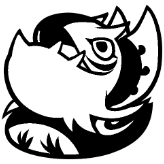 Introducing Edmontonia ignitus, the Powder keg Anky! SUMMARY: Edmontonia ignitus can be found meandering around the Sulfur fields of Extinction. Seemingly ignorant of the abundant elemental corruption, these Stego-sized Nodosaurs' have evolved a frighteningly effective strategy for dealing with the many aggressive threats of corrupted Earth: FIRE! The numerous scutes and spines of the Edmontonia's thick plating is covered in large amounts of volatile flint powder. While they don't sport the tail club of their relatives, they make effective use of their tail as incredibly powerful whips! So effective in fact, that they have adapted to creating powerful explosions and flaming trails with these incredible whip flurries! Edmontonia are also quite capable of utilizing their massive shoulder spikes to not only puncture the hides of attackers, but cover them in this combustible powder! GAMEPLAY: -- Edmontonia is a stego-sized herbivorous dino roaming the sulfur fields of Extinction. They are passive creatures, but can put up quite the fight. When tamed, the main gimmick of the Edmontonia is it's flint powdering effect. -- Edmontonia will have two stances: A forward facing stance that utilizes its flint-covered shoulder spikes and heavily armored back, and a backward facing stance that utilizes it's fast whip-like tail with powerful knockback and igniting capabilities. -- Edmontonia has a new stacking debuff which applies stacks of powdered flint to creatures it attacks with its' shoulder spikes or recoil damage while in forward facing stance. This debuff does not do damage on its' own, but instead acts as a damage multiplier for fire. This multiplier is directly tied to Edmontonia's melee damage. The more stacks of flint powder a creature has, in addition to a high melee stat, will make the enflamed debuff VERY dangerous. -- When tamed, survivors will be able to harvest bits of armored plating from their Edmontonia. While parts of these plates regrow, the damage reduction will be reduced. These harvested plates can be used to rapidly create barricade-like wall structures. While these structures themselves can be damaged by most types of enemies, they have very high health and also inflict the powdered flint debuff to attackers. -- Being an Ankylosaur (Nodosaur if you want to be picky 🤓), Edmontonia are super effective at gathering Metal along with a natural weight reduction. In addition to this, Edmontonia will also gather sparkpowder when they gather from stone nodes, similar to Beelzebufo gathering Cementing Paste. TAMING: Edmontonia are naturalborn pyromaniacs. While normally quite ignorant of other creatures, it's very intrigued by fire. If a nearby survivor uses fire in some way, be it a flamethrower or even a measly torch, you may garner the interest of an Edmontonia. At this point, a defense type sequence will trigger (you trigger it by interacting with the intrigued Edmontonia.) Aggressive creatures of a similar level to the Edmontonia will spawn nearby, and set their aggression on the tanky anky. While your new friend will apply powdered flint to it's enemies, you will have to burn these powdered threats. Burning enemies that have the powdered flint debuff will add taming affinity to the Edmontonia! CONTROLS/ATTACKS: -- Omnidirectional Movement/Turn in Place. There is NO reason to not have this on a creature. It only benefits a player to control a creature with movement QoL like this. This would also be very helpful when making use of the forward/backward facing stances and their attacks. -- Forward Facing Stance: This is the default state of Edmontonia. They are more heavily armored on their front, receiving damage reductions from frontal attacks. Attacks received from the front will also cause recoil damage which inflict the powdered flint debuff. -- Left Click makes use of the Edmontonia's shoulder spikes. This attack is moderately hard hitting with a decent attack speed, and applies stacks of the powdered flint debuff. -- Spacebar changes stances between Forward facing and Backward facing, turning the creature in a 180 on the spot. When backward facing, forward movement input causes the creature to walk backwards, treating their tail as their forward direction. Only spacebar allows you to switch the facing direction. It is NOT like Tuso where the camera can fight with you. -- Right Click is the rapid tail whipping attacks. These attacks don't hit hard, but they are fast with decent knockback. If the enemy has the powdered flint debuff, these whip attacks will cause the enflamed debuff. -- C Key triggers a unique state for Edmontonia. Grinding the plates together on its back in a unique motion, Edmontonia releases large trailing clouds of powdered flint, which apply the powdered flint debuff to enemies that wander through. This state requires sparkpowder in its' inventory and will actively consume the resource during this state. TL;DR (WITH PICTURES! 🤓) RANDOM IDEAS: These are ideas that could maybe be on the creature and i've just tossed around, but I don't know if they're necessarily needed. -- Gunpowder in inventory causes explosion type damage with tail whip attacks. -- Whipping attacks on barricades causes them to ignite, dealing enflamed to attackers. -- Barricades when destroyed create a slowing, defense reduction effect AoE. Leave feedback below for more combat/utility ideas or things like taming, if I get more ideas i'll update this post with them. Appreciate you all ❤️
 -
Tyrannotitan Ferox-like apex predador of exticon
cesareck posted a suggestion in Creature submission archive
The main characteristics of Tyrannotitan. are When he consumes an element it's the same as the Ferox going from an adorable shoulder plushie to a gorilla on steroids. Tyrannotitan goes from being a generic dinosaur similar in size and statistics to an Allosaurus and a huge monster similar to Godzilla, being able to surpass a wild giganotosaurus And as Godzilla, he can defend and attack from a great distance with an atomic ray using an element as fuel capable of damaging the Tek Tier. converting it into engame game taming in exticion only below the titans The limitations to not break the balance of the game would be these 1.In order to transform Tyrannotitan into an unstoppable beast you will need at least 200 refined elements. 2. Once transformed, such a large creature requires an immense amount of food; Otherwise, when her food stat is set, she will begin to lose her transformation, so she must be constantly fed cooked meat or kibble if desired. 3. The ability that wears out Tyrannotitan the most would be its breath element, although this attack is capable of vaporizing almost anyone. You must know who against because it will not reduce the transformation's battle time if that skill does not have a cooldown time of 1.5 min. 4. once the effect is over you have a cool down of about 20 minutes to put the element back into your monster 5 Once transformed Tyrannotitan cannot be stored in cryopods Using Tyrannotitan is very expensive so you have to know when and where to use it to get the most out of your mount. Characteristics. massive damage: when Tyrannotitan mutates into the element increases your damage even more than a 100% blood rage carcha instantly and thanks to the fact that their teeth are infused with element, they are able to cut anything, being able to damage all types of structures and ignore armor and also has infinite stamina while his transformation lasts Tank Tyrannotitan when transformed gains a lot of health points which allows it to withstand a lot of damage Thanks to its dimensions, it is able to cover a lot of space and protect everything behind it. -

Gigantophis: The Adapted Constrictor Returns to Earth
LadyMiko posted a suggestion in Creature submission archive
Contents~ Artwork and General Vibes Dossier Taming Abilities Gigantophis returns from the Scorched Earth vote as an element corrupted variant, taking some suggestions from the previous version to adapt and improve this serpent. So what is Gigantophis? Gigantophis was a sea snake, known for being the most popular of this odd type of serpent. However, having adapted from the Earth’s dried up oceans, this version of the animal, much like the scorched, takes inspiration from constrictor snakes but unlike the rattlesnakes and boas of the scorched variant, this takes inspiration from the semi aquatic anaconda aswell as proper sea snakes. Dossier: It's amazing how a creature like Gigantophis otiosum could survive in the dry and desolate climate, but this giant snake somehow found a way. Gigantophis can be found lazing around in sulfur fields, where they wait for dim-witted prey to come wandering into their distendable jaws. When aggravated, Gigantophis will inflate their bodies, causing the large scales on their backs to stand as an early warning sign. Should this be ignored, however, a Gigantophis will lunge at the aggressor and wrap itself around them. You wouldn't want to be crushed by a snake longer than a bloody Rex, so I'd suggest staying clear of these beasts as much as you can I have an idea on how to tame these things, but it will take guts to pull off: Basically, I'm thinking a survivor could sacrifice a creature filled with food items to the Gigantophis, and gain its trust by proxy. I am fairly certain this will work, though the rational being in me is unwilling to try it out. Besides, close shaves with basilisks have made me deathly afraid of snakes! Abilities: Left Click- A basic bite attack, inflicting Gigantophis’s bleed if repeated bites are landed Right click- Gigantophis wraps around a target and begins to choke them to death and drain their oxygen Space- The beast coils up with head raised and its wide mouth open, when released gigantophis launches forward to a targeted location to swallow smaller creatures and damage larger ones Ctrl- The snake lies down on the ground and opens its gaping maw, beginning to vacuum up anything smaller than it into its mouth C- After eating enough, gigantophis will regurgitate burning bile in front of it to melt targets Gluttonous- After eating a certain amount of fertilized eggs, Gigantophis becomes engorged and can now constrict faster- 38 replies
-
- 4
-

-
- constrictor
- oxygen
- (and 2 more)
-
Wild : The shantung is an aggressive dinosaur, spawning in the sunken forest, sanctuary, and very rarely in the wasteland around those areas Look : A large hadrosaur with a similar look to the iguanodon, unlike the shantungosauruses of prehistory, this species appear to have osteoderms along there sides and back, giving a small damage reduction and immunity to torpor on its sides. Taming : To tame a shantung of your own, you must shoot it in the side with a rocket or two, then fill its softer belly with tranq darts until it either knocks out, or gets up, requiring to be knocked over again. In terms of food, it is the same as other herbivores, with the preferred kibble being exceptional. Its torpor drains at a medium rate and taming a bit slower than a rex Saddle : This is where the shantung gets unique, having three different types of saddles, being wooden, metal, and tek, wood being the worst, and tek being the best, 2 player seating. The unique part about the saddles however, is that you can attach most if not all types of turrets onto the saddles, one turret at a time of course, the different saddles determine what ammo is needed, if a third player can ride, if it is automated, and the type of attack the turret has. any turrets that are normally effected by the ammo box are also effected while strapped to the shantungosaurus. Stats : Amazing health and health scaling, decent melee damage and melee damage scaling, high weight and weight scaling, low 02 and 02 scaling, mediocre stamina and stamina scaling, slow movement speed, drag weight : 600. 5% damage reduction on body, 10% ballistic and explosive damage of body. Attacks : Headbutt, left click, the shant does a headbutt forward, knocking back smaller dinos and dealing 30 base damage. Stomp, right click, the Shant stomps the foot in the cameras direction and dealing a base damage of 70. Super stomp, X, the shant stands on its hind legs and then slams its front limbs into the ground, having a minute long cooldown and dealing a base damage of 300 (probably not balanced). Aesthetic roar, ctrl, the shant stands on its hind legs and roars to the sky, pearly aesthetic with no effect. This is probably not balanced and would most likely need to be changed if in the game. Only internet images as I sadly can't draw well.
-
🔥¡Introducing Leanchoilia, land-based anti-aircraft cannon!🔥
DinoBestia posted a suggestion in Creature submission archive
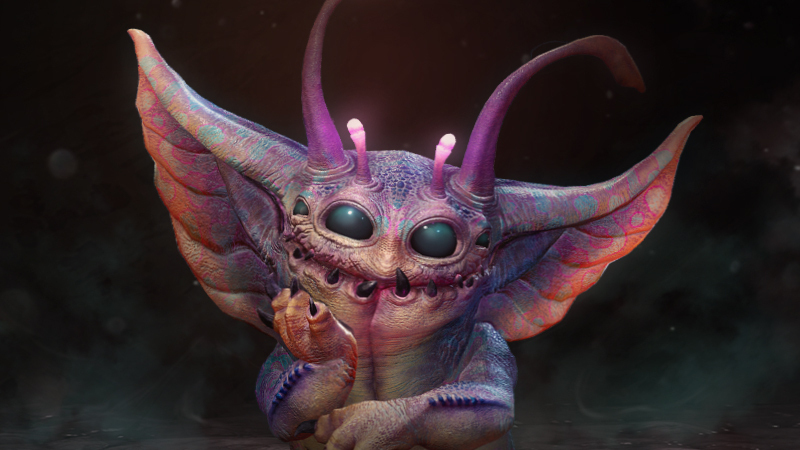
🔥¡Introducing Leanchoilia, land-based anti-aircraft cannon!🔥 WILD This crab-like creature loves sulfur lakes, they seem very comfortable and calm although more than one has lost their life trying to get close to them, because although they may not seem like it, they are quite aggressive, especially if they are females with eggs breeding inside. DOMESTICATED Surprisingly, they are very useful for a nomad like me, thanks to them I can transport everything I need inside and with their large shell, both I and my treasures will be safe from anything. Over time I have managed to create a saddle that fits his body perfectly and I think I have achieved it, an armor capable of carrying a large anti-aircraft cannon, before anything that flew over my head was a problem but with this no one will stop us. HOW TO TAME Taming this creature may seem simple but it proves to be a challenge for someone surviving alone. This animal cannot be put to sleep with narcotics, so the simplest solution is to enter it directly and steal its egg that is inside its shell and then raise it and become its new mother. ____________________________________________________________________________________________________________________________________________________________________________________________ Passive skills: Their razor-sharp legs are capable of cutting the most unsuspecting, causing bleeding at the slightest touch with the flesh. Its more common diet(Sulfur) only makes it more resistant to subzero temperatures, making it immune to freezing. Thanks to these tentacles, it is capable of extracting large quantities of sulfur from rocks and lakes full of this material. Its large shell protects its interior from anyone who wants to steal its babies, so the survivor can take advantage of this space to store their treasures there or simply take advantage of it to sleep and rest a little. MOVESET(without saddle): Primary Attack(Left click): It attacks with its tentacles forward causing significant damage and has a chance to cause bleeding. Secondary attack(Right click): It grabs the prey in front of it with its strong tentacles to immobilize it.(Catch dinos equal to or below Managarmr) MOVESET(with saddle): ¡PRESS CTRL TO START CONTROLLING THE SADDLE! Primary Attack(Left click): When you are controlling the saddle, aim at your aerial targets by moving the mouse 360º and fire projectiles that will explode in the air near the target. Secondary attack(Right click): When controlling the saddle, hold down the action button(right click) to mark a target and fire a guided double attack with greater force. ¡WARNING! ¡EXCESSIVE USE OF THE CANNONS CAN CAUSE THEM TO OVERHEAT, MAY YOU HAVE TO WAIT A LITTLE BIT TO USE THEM AGAIN! ____________________________________________________________________________________________________________________________ REFERENCES: This creature is based on one that originally existed in the Cambrian period, both have the same name and a similar appearance, maintaining most of their characteristics except the size of the legs and the size of the creature in general is much larger than the original taking into account that this creature is about 5cm long. -
Pentaceratops imperialis [Impenetrable Bulwark]
PieTheMath posted a suggestion in Creature submission archive
Pentaceratops imperialis [Impenetrable Bulwark] Heavy Tanking Herbivore A large ceratopsian with an even larger head, Pentaceratops are quite the sight to see in the wild. Often traveling in tightly knit herds, Pentaceratops are docile to everything except the largest carnivores. Should the herd come under threat by a massive predator, they will lash out aggressively, easily being able to best their foes. When tamed, Pentaceratops serve as an excellent war mount as well as base defense, being able to form sturdy walls should a tribe come into ownership of a group of them. In combat they can employ this skill to form an impenetrable shield wall, allowing their war band to march forward free of threat from enemy guns and cannons. Defensively, these massive beasts can from extensive bulwarks to shield bases and anything their tribe so chooses. Abilities [Passive] Safety In Numbers When in a group of 3 or more, Pentaceratops receives a defense boost [Ability 1] Stance Change Pentaceratops changes stances, as the name implies. There are a total of 4 stances, Bulwark, Marching Wall, Battering Ram, and Neutral. -Neutral: Base wild stance, no stat changes. -Bulwark: Pentaceratops lowers its body to the ground, laying down with it's huge frill acting as a wall blocking incoming damage for the rider and any tames or structures behind its massive frill. While in this stance Pentaceratops cannot move and damage to the head in this stance would heal Pentaceratops and charge up its Battering Ram stance. When in this stance other Pentaceratops may "lock up", forming a very durable wall. -Marching Wall: Pentaceratops lock up in a line formation, their frills forward as they march. Damage is greatly reduced and any damage taken or dealt by Pentaceratops charges up its Battering Ram stance. -Battering Ram: Upon charging its gauge sufficiently, all Pentaceratops in the Bulwark/Marching Wall formation charge forward, entering their offensive stance. Their damage is boosted in this stance, making them a very credible threat. Pentaceratops does increased damage to structures in this stance, making it an excellent frontliner or seige beast. [Ability 2] Taunt Pentaceratops lets out a loud roar, stamping its feet on the ground and shaking its massive frill in a threat display. This taunt would function like the magmasaur, drawing aggro to Penta so it or its allies can finish them off. Attacks [Attack 1] Headbutt Slow headbutt that does heavy damage and knockback. Disabled in Bulwark mode. In Battering Ram this attack does enhanced damage to structures and constructs. [Attack 2] Light Stomp Directional light stomp, light damage and knockback. Disabled in Bulwark mode. [Attack 3] Heavy Stomp A heavy AOE stomp, does heavy damage and little knockback. Disabled in Bulwark and Marching Shield mode. In Battering Ram this attack does enhanced damage to structures and constructs. [Attack 4] Charge Only available in Battering Ram and Neutral mode. Does heavy damage and high knockback. When in Battering Ram this attack does heavy damage to structures and constructs. [Attack 5] Head Sweep Only available in Bulwark and Marching Shield mode. Does little damage and exceptional knockback. Saddles Base Saddle A normal saddle, leather and metal. Pentaceratops is ridden on a seat strapped to the side of its body, allowing the rider to see. Heavy Armor Pentaceratops’s entire front half is covered in plate armor, its horns tipped with long blades, providing exceptional protection and offensive ability. A walled platform rises above the frill, where the rider stands along with up to two other people. In addition, it also makes Pentaceratops immune to most knockback as well as completely nullifying melee damage from the front and boosting damage to structures while reducing movement speed. Art and ability concepts by Falcon9/PrimevalArtist on twitter -
Minha ideia inicial era ser um carnivoro mas achei melhor um herbívoro que fosse forte o suficiente para encarar o maiores predadores do Ark espero que gostem vamos lá Nome: eotriceratops Espécie: eotriceratops xerinsularis Dieta: herbívoro Temperamento: neutro Tempo: cretáceo Eotriceratops é um gênero de dinossauros ceratopsianos herbívoros que viveram na região da América do Norte durante o fim do periodo Cretáceo. A única espécie nomeada é Eotriceratops xerinsularis. COMPORTAMENTO: De longe você vê essa criatura andando normalmente calma e tranquila pode se pensar que essa e uma criatura dócil mas só que não pois na verdade devido ao seu tamanho imenso poucos tentam ataca-lo esse herbívoro e uma máquina de matar carnívoros com seu tamanho e peso ele está sempre pronto para esmagar e perfura seus oponentes há sim ele também possui um par de chifres extremamente perigoso ate para os maiores predadores o tornando o herbívoro com chifres mais perigoso essa fera não gosta mas adora eliminar qualquer carnivoro que entra em seu caminho já as outras criaturas ele não se cente incomodado deixando qualquer criatura exceto carnívoros ao seu redor. DOMESTICAÇÃO: Para domar esse gigante não e muito difícil basta você oferecer um carnivoro seu domado para que ele possa matar e e claro o nível da criatura importa quanto maior o nive do eotriceratops maior também terá que ser do carnivoro mas mesmo assim pode acontecer que assim que ele eliminar o seu carnivoro ele não será domesticado talvez você precise de dois t rex para domar ele enfim quando ele eliminar seu carnivoro a barra de doma subira e você terá que esperar algum tempo para oferecer outro carnivoro para ele caso ele não tenha domado na primeira vez. UTILIDADES: Quando domado você terá uma montaria ótima para transporte de carga Farme e claro combatente o tornando útil na forma que você acha melhor ussa-lo você pode até usa-los para fazer drops ou veias de elementos já que você pode domar vários eotriceratops e fazer um tropa desses gigantes o tornando bons ou melhores do que outras montarias já que possuem um buff de bando muito forte mas isso vou falar nas abilidades há lembrando que ele possui diminuição de peso o que capacita ele levar bastante carga cê você vai usa-lo para defender drops não se preocupe esse herbívoro terá muita vida então não se desespere quanto a vida deles pois os eotriceratops tem de sobra abilidades: como falei antes ele terá um buff de bando onde o dano aumenta e saúde recupera por um período de tempo ele também terá uma abilidade onde quando eotriceratops estiver enfrentando um carnivoro o dano será multiplicado aumentando cada vez que o tempo passa quanto mais forte for o carnivoro mas dano eotriceratops dará. ele também multiplicará os recursos farmados se você upar pontos para isso onde ele terá uma opção para isso caso já tenha fico feliz ele também pode farmar metal e pedra usando seu enorme peso mas ele não Farma tanto quanto o anquilossauro só pra deixar claro. ele terá uma espécie de intimidação onde ele vai balançar a cabeça onde pode intimidar criaturas grandes. e uma bara onde o dano será acumulado a medida em que o eotriceratops luta onde quando ela estiver cheia o dano aumenta e os outros atributos também como velocidade e estamina. ATAQUES: ele terá uma investida furiosa contra seu oponente onde causa muito dano como o trike só que você poderá mudar de direção e lançar seu alvo para longe. terá também um chifrada que empala o adversário causando sangramento. uma série de pisões muito fortes um seguido do outro que pode quebrar a perna do seu adversário. um ataque onde e pega seu adversário com os chifres e o arremessa para cima como um touro descontrolado. Você acha que esse dino só pode usar seus chifres e também pode usar sua calda. E por último um ataque onde eotriceratops dará uma arrancada para acerta seu alvo e ao fazer isso se você estiver com a bara de dano cheia todo dano da barra será utilizada nesse ataque causando é você já sabe muito dano. Curiosidades: essa criatura costuma atacar sobreviventes em suas montarias mas só se a montaria do player for um carnivoro. até mesmo para os grandes predadores e difícil abater um eotriceratops já que sua armas e defesa são algo que dão trabalho ainda mas se for dois aí já era nenhum predador teria coragem de enfrentar mais do que um eotriceratops. Sua sela e grande dando espaço para mais um sobrevivente montar o que pode ser útil em uma batalha ou caçada. Por mais forte que seja as vezes um eotriceratops não e páreo para um carcha ou um giga. Espero que tenham gostado podem falar o que mais eu deveria acresentar se ele não ganha comentem eu gostaria muito.
-

Introducing Pristinailurus, The Giant Red Panda Tank!
MaidenMonarch posted a suggestion in Creature submission archive
Intro- Hello everyone! This is Pristinailurus Bristoli, a large carnivorous ancestor of the modern-day red panda. The real-world Pristinailurus was much larger than the red panda but was thought to have a weaker bite. I gave the Pristinailurus details close to the Gacha, because I envision it living within the Sunken Forest and experiencing whatever similar evolution that the Gacha underwent. The main use this creature would have is to be a turret/bullet soaker, and an overall menace of a tank all the while protecting the rider! Dossier Text Wild- Pristinailurus Bristoli, more commonly known as the Ailurus, is usually a docile and calm creature when left unprovoked, although Ailurus is a carnivore and will hunt smaller, less aggressive prey. (Humans aren't on the menu this time!) The Ailurus seems to have rocky "scales" covering their bodies as evolutionary defense mechanisms to protect against predators that get a little too confident in Ailurus's calm nature, or smaller prey that fights back. As far as resilient creatures go, you can't get more resilient than the Ailurus! Domesticated- Although this creature might not have the strongest bite, a tamed Ailurus in an invaluable tank to any tribe wishing for a reliable source of protection. Their damage-reducing rock armor will protect creature and rider alike by heavily reducing damage from projectiles and preventing dinos like Dimorphodon or Purlovia from singling out the rider! Attacking creatures soon realize they have taken on a harder target than initially thought, as the protective rock scales knock back creatures who try to take a bite, leaving them with rock "splinters" that increase damage dealt to them. The Ailurus is also proficient at climbing up cliffs and trees, and can sniff out uncommon resources like sap, fungal wood, and various mushrooms that wouldn't normally be found in trees or bushes! Ability Breakdown- -Reduced damaged from projectiles and heavy protection from bullets. -Prevents dismounting or rider-targeting from dinos like Microraptor, Dimorphodon, etc. -Knocks back creatures that attack. -Leaves Rock Splinters on attacking dinos, debuffing them by increasing damage dealt to them. -Can climb cliffs and trees (much like the real-world red panda). -Can gather sap, fungal wood, and various mushrooms from bushes that wouldn't normally produce them. Thank you all for reading and I hope you like my creature idea! Please consider voting for it! -
Short: A brick wall using temporary dirt structures for utility and battlefield control. I've been working on this for a while, with feedback from Discord friends, but got a little bit overwhelmed by how fast the new suggestions went up. I hope you'll still enjoy it! Core Abilities: Tunnel While the Placerias can burrow, it does so differently from all existing creatures. While it can burrow up walls and through bodies of water, it does so very slowly and at great Oxygen cost, forcing it to surface after a short distance. But if you surface at a valid point (above water, either on flat ground or on a wall with a floor in front) it creates temporary "burrow" structures that work as a shortcut from now on - similar to an s+ tek elevator, if you're familiar, but with a much more limited range. Burrowing on top of an existing burrow uses it as the entrance, allowing you to link several to form larger networks. Excellent for shortcuts, ambushes, secret exits, and much more. Simply walk on top of it with your Placerias and it will highlight all connected tunnel exits, look at one while holding spacebar, and you and nearby small-medium tames following it will be teleported there. After a small digging animation, of course. The burrows decay if not used regularly, as to not fill the world too much. As temporary structures, they do not block spawns. They are invisible to enemies unless they stand almost on top of them, and if discovered, they can be blown up or have a Purlovia burrowed on top as a nasty surprise to anyone attempting to travel through. Dirt Wall With a great effort of stamina and a cooldown, Placeras can throw up a wide dirt wall. The higher its weight stat, the wider the wall. Excellent for blocking up chokepoints. The wall is very resistant to all but the stringest damage, but decays in less than a minute or when leaving render, and leaves behind debris that prevents you from building one in the same place. Any creatures swarming it will also be thrown behind the wall on creation. Including a 'turret mode' of sorts where it creates one when damaged or approached. Resistance to Damage over Time To complement their wasteland nature and allowing them to stay in combat for longer, their thick hide makes them highly resistant to bleed, fire, posion and lava, and completely immune to all other sources of environmental damage, such as sulfur pools, radiation, molten element or freezing water. Implacable While walking, they can push all but the largest of creatures around. Good for not getting stuck, pushing wilds into traps, or disloging Enraged creatures from Supply Drops. Clay Specialist While it can harvest wood and mineral resources, it only excels at gathering clay, collecting it whenever it would normally gather sand. Making it an interesting choice for builders. Temporary Ramps and Bridges In addition to the Wall, there are smaller temporary structures to choose from. Notably piling up dirt to form a ramp, each use making it a bit taller, or using gathered wood to form a bridge. (UI similar to a zipline. I imagine an animation where a tree appears out of nowhere in front of its snout which it then topples.) "Thick Skin" buffs I'm not 100% on this, as it migth be a bit hard to balance. Each time you are attacked you gain a small, stacking defensive buff. The more you have, the faster they decay. Would be great to increase survivability while swarmed. Using your regular Melee attack drains all Thick Skin points, but gives a short speed and damage buff, to help out your allies in tough spots. The more stacks you had, the greater the buff. Stats I'm no game balance expert, so these will be more suggestions than raw numbers. Health: High to Very High Stamina: Below Average Oxygen: Very High Food: High Weight: High Melee Damage: Low to Below Average Movement Speed: Low when walking, Average when sprinting, but at great Stam cost. Controls Main attack (left click): a bite/tusk slashwhen looking forwards, a kick when looking back. Mediocre damage, harvests bushes, rocks and trees. Secondary attack (right click): Create Wall. Crouch (C): Create Misc. Structure. Jump (Spacebar): Tap to create new Burrow. Hold to travel through existing burrows. Circle Menu (Hold R): Choose Misc. Structure type. Saddle (Art incoming!) Outfitted with rollover bars, spotlights and an erectable canvas canopy to keep the dirt out, this is a true living bulldozer. I imagine the player would lie on their stomach rather than sit, to lower the profile for tunneling. Taming To complement their digging nature, they are knocked out through a game of Whack-a-Mole. When damaged below half health, wilds will burrow until they regenerated. Players can then interact with the burrow to coax them out, starting the taming process. They poke out their head, and in this state, any damage dealt to them will deal torpor instead. After a few seconds, they burrow again and move unseen to a different spot and poke out again, repeated until they are knocked out. Letting them reburrow without taking damage removes a bit of torpor, and letting it do this too often will reset taming and heal it back to full. Additional Ideas Stuff I cam up with during brainstorming. May not be the most balanced things, and not vital to the playstyle. These are not serious suggestions, more records. Using resource nodes as weapons. A special attack that throws rock nodes, topples trees, explodes lamp posts, etc. Might be fun, but very niche. Mud Puddle temporary structure Kicking its back legs repeatedly, the ground and creatures behind the Placerias are covered in mud. Greatly slows attackers, but also gives them some damage resistance. Wooden Spike temporary structure created using wood from your inventory. When stepped on, it deals high damage (like 250 + 10% of max health), but is destroyed in the process. Megaphone Saddle A megaphone mounted on the saddle provides increased Whistle range. As this is already a creature you want to be mounted on for its full potential, this would help out singleplayer and smaller tribes greatly. I hope you enjoyed my suggestion, despite the rather scuffed and temporary art. I'll see if I can get some proper animations to you over the weekend. (Just need to remesh my sculpt into a workaple model, do the UV unwrap, slap some textures on, do the rigging, and take some Ark screenshots to photoshop it into. Maybe even rip some models from the files so it has someone to interact with.)
-
Peloroplites cedrimontanus-wasteland warrior
GUN233 posted a suggestion in Creature submission archive
Wild-the harsh wasteland is a dangerous place to survive yet i find my surprise that Peloroplites cedrimontanus is found roaming the waste. these creatures are highly aggressive herbivores this could be because of the lower resource out in the waste. they also don't seem to be affect by the negative affect of the waste or even corruption. in fact Peloroplites cedrimontanus will actively seek out and fight corrupted dinosaurs on the map. this makes me think that is was the ark last attempt to control the corruption before getting overwhelm. domestication-Peloroplites cedrimontanus armor makes tranquilizer darts and arrow bounce off with little to no damage. they are far to aggressive to be tamed passively either. one mad man had the idea of shooting an explosive at the the creature underside so it would get knock over once on it back it would cry out for help. so he gave the creature belly a nice starch and helped it back on its feet. after that Peloroplites cedrimontanus followed him everywhere and even allowed him to feed him in order to be ridden/tamed. I will have to see for myself if what he is saying is fact or fiction. Controls: RMB-shoulder bash:can collect bodies, berries and element. deals medium damage and high knockback LMB-Tail Slash: Hits target behind Peloroplites cedrimontanus collects berries, bodies and element. medium damage high knockback C-Defensive stance: Peloroplites cedrimontanus takes a defensive stance e reflecting all damage taken back at opponents and migrating damage to a small amount Left Ctrl-Peloroplites cedrimontanus bellow: Draws all attacker to -Peloroplites cedrimontanus and incases defense from corruption dinosaurs attacks Image source 1(Peloroplites sleeping art): https://a-dinosaur-a-day.com/post/159240189015/peloroplites-cedrimontanus Image source 2(peloproplites size chart):https://www.deviantart.com/cisiopurple/art/Peloroplites-776681088 -
*explanation: This large mammal similar to its current counterpart although it is much larger. This pangolin has a large number of functions intended for Pvp and Pve. Skills: 1.Defensive ball: works in the same way as doedicurus, stay coiled inside the pangolin to protect yourself from bullets or enemy creatures Creature damage reduced by 55% damage reduction 75% reduction in gun and turret bullet damage. Ways to defeat him: If you want to get it out of ball mode use the flamethrower if you manage to make it burn enough you will make it lose the ball phase. If you are in deactivated ball mode, shoot the bullets or arrows to places where there are no defensive plates and the torpor or damage will increase in case you hit the plates, reduce 25% of animal damage in case of shots, reduce 35% ammunition damage 2.Basic attack: this does moderate damage 3.Charged attack: is the same blow as the previous one but when charged it deals ×2 damage to enemies, a strong blow like a giant sledgehammer 4.brand:with your tongue make a mark if you hit the enemy with this mark, the % damage of your blows will increase slightly, the more marks you make on the enemy, the more damage you will do to the enemy, these marks can be made with a maximum of 5 marks with tongue. After marking, hit and you will see increased damage. The tongue mark reduces the hit speed of enemies due to the slime on its tongue and also indicates where the enemy is on the map like the parasaurolophus. 5.natural climber: climb rocks and trees
-
Minotaurasaurus, The wasteland Juggernaut-Tank!
Polsknox posted a suggestion in Creature submission archive
Minotaurasaurus, the wasteland juggernaut-tank! (I don't have anything to draw my art online :P) (above): Male Minotaurasaurus (below): Female Minotauruasaurus Basic Info: Common Name: Minotaurasaurus / Minotaur Species name: Minotaurasaurus dimachaerus Diet: Herbivore Temperament: Territorial / Aggressive towards tek Dossier: Wild: Living in the harsh and unforgiving climate that is now Earth, this ankylosaurid species has adapted to withstand all sorts of torment that gets thrown at it. In addition to sporting more heavy-plated armor than seen on any dinosaur, The minotaur here has undergone high levels of sexual dimorphism. The male “bulls” are seen to have larger horns on top of their heads and sport large hammer-like clubs, perfect for crushing their opponents. The females, although less aggressive, will fend for themselves if needed with their razor-sharp plates that run down the majority of their tails. Domesticated: When tamed, players will find that both genders of the minotaur have their own separate yet valuable utilities. The males are very efficient at gathering finer resources, such as element dust from veins and spark powder from rock, due to their powerful swings. The females are instead better at harvesting the more delicate resources that can be collected from corpses and are, as a result, one of the best creatures for harvesting corrupted nodules. Additionally, due to the minotaurs’ aggressive nature, they turn out to be quite effective in combat and may prove to be valuable assets in PVP situations and boss fights alike. (above): online art and reference for the minotaurasaurus I found online. Behavior: The Minotaur is not aggressive unless something/someone gets too close to it. Additionally, the minotaur will become aggressive if it senses tek/corrupted creatures nearby., which involves extinction-exclusive creatures such as managarmrs, snow owls, etc. the minotaur will immediately become aggressive towards enemy players/creatures that have tek equipped. Utility: Left click: tail swing standard tail swing like that of the ankylo. Can harvest berries Gender-specific resource gain as well males: spark powder, flint, element dust, etc Females: raw meat, raw prime meat, raw mutton, organic polymer, and corrupted nodules Right click: Heavy swing Minotaur takes a step forward and swings its tail as hard as it can, delivering a heavy blow with its club in front of it. Cooldown between uses (~10s) Destroys and harvests resources with slightly higher yield Damages structures (up to metal when tamed) Male debuff - Fracture (Creatures hit by the male minotaur’s heavy swing are knocked down for a few seconds and afterward lose the capability of sprinting and flying for a period of time. Cooldown to debuff applied) Female debuff - deep wound (creature affected loses some health and stamina to bleed over a period of time. Cooldown to debuff applied) 😄 tail slam slams down its tail onto the ground behind itself, having a reasonably large AOE, and affects the area below itself in case any pesky creatures/players try to hide underneath it. Space: Hunker down The minotaur lays/crouches down, protecting its underbelly and taking reduced damage (will be applied to already existing resistances), as well as being immune to knockback. Minotaur cannot attack in this position, but it permits the usage of weaponry/ tek saddle usage. Extra attack - Bellow: Ridden minotaurs will roar in a bovine-like fashion. This is purely cosmetic. Taming: Utilizing the minotaur’s hatred towards corrupted creatures, survivors can befriend one while battling the hordes of creatures from element veins. After gaining its trust by feeding it a certain amount of food/kibble, you will be able to ride the minotaur wild and without a saddle for a set amount of time, where you will then take it with you and complete an element vein with it. The minotaur will be okay if you use other creatures to fight alongside it and will not take damage from allied tames. You will not lose taming effectiveness as long as it does not receive too much damage (below 30% hp), which can be solved by feeding it veggie cakes or healing with the snow owl whenever needed. The minotaur will also receive a healing buff after every wave is complete. The minotaur will always tame after the end of a vein, but its tame efficiency depends on the health of the element vein. For a lv.150 minotaur on 1x: 10k = 33% tame effectiveness 25k = 66% tame effectiveness 50k = 100% tame effectiveness Harvesting: Males tend to be quite aggressive regarding their swing, often trying to pulverize whatever is in front of them. Because of this, valuable ores that the rider may wish to acquire will be left in an unusable state. However, the pulverized rock obtained can be used instead to produce gunpowder. The male can also harvest high yields of element dust from veins, making it helpful in gathering dust for off-server transfer. Gathers: Flint Sparkpowder Element dust Berries Females having axe-like clubs are not able to destroy rocks as efficiently. Instead, Females’ tails are more adept at cutting into flesh, making them excellent for harvesting more deluxe meats from corpses and the corrupted flesh that resides within infected creatures of the wastelands. Gathers: Hide Raw Meat Raw Prime Meat Raw Mutton Organic Polymer Corrupted Nodules Berries Note: both genders can still “harvest” the resources that the other can attack, but this will result in minimal/no yield (except for Berries) Strengths/weaknesses: Strengths: Increased damage dealt to tek/corrupted creatures (2-3x damage) Decreased damage taken from tek/corrupted creatures (0.5-0.33x damage) Reduced damage taken from firearms/projectiles on armoured body parts (0.5x damage). This buff includes turrets. Reduced damage taken from firearms/projectiles to the tail club and head (0.25x damage) Yutyrannus cannot fear it. Weakness: Increased damage is taken from Velonosaurs (1.5x damage) Increased damage is taken from Managarmrs (1.5x damage) Underbelly and lower back legs have no damage mitigation (regular damage taken) Minotaur is not very fast. The minotaur may be unable to defend itself from flying creatures efficiently, but this may be avoided depending on how its AOE looks. Roles: Gunpowder production: Male minotaur's high flint and spark powder yield makes producing large amounts of gunpowder very convenient. Element dust farmer: Males can get the nearly total value of an element vein’s worth in dust, making it worth having one not to lose the ⅕ return value from city terminals, not to mention their high weight reduction on element dust, making carrying high quantities of dust a breeze. High-quality meat harvester: Females with their sharper tails can collect much higher amounts of prime meat from corpses, making it helpful in taming and producing specific recipes. OSD/Vein Defender: With their buffs against corrupted creatures, the minotaur would be an excellent candidate for defending OSDs and element veins from the hordes of corrupted creatures. Boss fighter: with its high health and damage, the minotaur may prove helpful when wanting to fight the bosses of the other arks (keep in mind that its special abilities would most likely not be applied to bosses) Equipment: Minotaurasaurus saddle: a standard saddle like that of any creature. The player would be seated on the ridge of the minotaur’s back. Minotaurasaurus tek artillery saddle: Resembling an in-real-life tank cannon, this is a saddle that sports a long-range tek cannon that does heavy damage but has a relatively large blind spot around the minotaur. Minotaur needs to be in its hunker-down stance to use this saddle. Weight reduction: Element dust: 80% Flint: 50% Sparkpowder: 50% Organic polymer: 50% Corrupted Nodules: 50% Passives: Tek rival: When tek/corrupted creatures are nearby the minotaur, it gains a buff similar to the trike’s rivalry buff. This would give it the rivalry buff applied against tek/corrupted creatures. . Full body rotation: The minotaur can turn around 360 degrees without walking, making it far easier to maneuver than other creatures. Design: The Minotaur is only known by its bony skull, so some creative liberty has been taken to make it better fit Ark. The in-game minotaur is larger than its real-world counterpart and slightly larger than an in-game Stego. It has plate-like osteoderms covering most of its back and flat plates/spikes along the sides of its belly. Sexual dimorphism is displayed mainly through the tail and horns of the minotaur, where males have a large hammer-like club at the end of their tails and more prominent horns on their heads. Females instead have more sharp plates running down their tails, and their tails are slightly longer and covered in blades like that of the stegouros. (above: reference for the female Minotaur’s tail) Here are some reasons why I think you should vote for this creature, in no particular order: Ark has only one ankylosaurid, and with magmasaurs&striders now in the game, it has made them mostly obsolete past early game. The Minotaur, while being a larger and stronger ankylosaurid, does not overshadow the anky’s metal-gathering abilities. It gives the game a new mid-large-sized herbivore capable of taking on a broad niche of uses in the game. It is not “the giga” of herbivores. It is not supposed to be overly strong or large, and I am not following the “insert name” Giga of the “insert niche here” format that has been posted countless times. I think it's fitting to have a literal tank as the creature of choice for taking on the many dangers of extinction. If any of this interests you, please read the extra information below and vote if you like it! Some of it is just ideas/concepts, so take everything with a grain of salt and add suggestions below where you see fit. NOTE: everything I have written is just ideas to get this creature to fit nicely into this map and ARK. If you feel something needs to be fixed, is too overpowered, or needs to stand out more, please feel free to voice your opinion. I would like to make this submission appealing to all players, but at the end of the day, it is up to Wildcard to implement the features of this creature. -
The Saltasaurus: Wild: The Saltasaurus is a lumbering sauropod, towering over the ferocious theropods I’ve seen here. Nothing bothers them as they plod their way through the desert, foraging for whatever meager vegetation they can find. Their tendency to travel in herds combined with their thick armor reminiscent of the ankylosaur makes them a force to be reckoned with, and as such nothing but the largest predators dare to cross paths with them. When aggravated, the whole herd will come to the individual’s defense in an impressive display of strength. Despite their slow appearances, these sauropods can move in impressive bursts of speed that set the animal up perfectly for a well-timed blow. Domesticated: This sauropod is incredibly resistant to even the most potent tranquilizers I know. I have seen one incredibly daring survivor knock one out by dodging its charges, causing it to smash into rocks and walls. Once successfully tamed, Saltasaurus is an incredible beast of burden, although its lack of speed causes it to be overlooked in favor of other creatures for travel. However, where this creature really shines is combat. It’s thick hide grants it a resistance to all bladed attacks, including the teeth and claws of even the most ferocious carnivores. It can also use its considerable momentum when running to smash into enemies and knock them aside. Some ingenious survivors have even managed to create a saddle for it that completely shields the wearer and passengers at the cost of much of the sauropod's carrying capacity. Overview: The Saltasaurus is intended to be a battle mount, capable of taking on any theropods. Abilities: The Saltasaurus has a passive 25% resistance to damage, but bullets, arrows, and other projectile weapons that can be aimed will do different damages based on where they hit (armor is 75% resistance, close to armor 50%, no armor 25%, etc.) The Saltasaurus has no dedicated sprint. Instead, when the sprint button is pressed, the Saltasaurus will begin accelerating to max speed over a period of time (which, mind you, is still not very fast). This can be chained with the shoulder bash attack for a more powerful effect. Don’t know if this counts as an ability, but the Saltasaurus has a metal saddle that shields the rider and two passengers from damage at the cost of a lot of weight. The Saltasaurus also has decent carrying capacity, which makes sense with how the creature is. It’s REALLY slow, even at max charge. Base bob can outrun it with some difficulty. Very tanky Attacks: Left click/RT: A basic stomp attack that transitions to a tailwhip when looking towards the right rear and a rear kick when looking towards the left rear, does okay damage (tailwhip does less damage but more knockback, same for rear kick). Right click: When standing still a two legged stomp that takes some time to play out, but does great damage (think Ark Additions Brachy). When starting to sprint, right click can be used to start a shoulder bash attack. Once started, a meter will show up on screen, and when you hit the right window at the right distance from the target, the Saltasaurus will smash it’s shoulder into the target, causing high knockback, okay damage (better than regular attack) and inflict a status effect called “crippled”. This will be similar to the ravager’s bleed, doing 5% of health over 10 seconds and causing the affected creature to take damage when moving. This attack, when properly timed, can damage up to metal. If you mistime the attack, the Saltasaurus will stumble and be unable to move for a short period of time as it regains its bearings. The shoulder bash can be used when not sprinting, but will be much less powerful and won’t do the status effect. Crouch: A cosmetic roar, maybe a herd buff? Post suggestions in the comments. Taming: To tame it you need to lead a Saltasaurus away from its herd. If the herd is killed, the Saltasaurus will constantly attack everything around it and cannot be tamed (it’s depressed). When you’ve led it away, you need to make it do its charge attack, and jump aside just as it’s about to hit you. It should smash into a hard surface (a wall or a rock) soon after missing, and when it does, it will enter a phase called “dazed”. At this point you can passively feed the Saltasaurus. This method will result in a high taming effectiveness, but there is another method. You can tranq a Saltasaurus out, but it has a lot of torpor and only takes torpor in specific places (i.e not the armor). This is a little easier than the other method, but will reduce the taming effectiveness no matter what. Thanks for reading my submission! I’ve always just wanted to have a powerful herbivore in ark that can actually take on a rex without getting absolutely destroyed, at least be on par with a rex.
-
 Tartuosteus, Derp Fish Greetings, survivors! I introduce to you the TARTUOSTEUS DOSSIER Wild TARTUOSTEUS can be found in the shallower parts of the oceans of the ark. You can see them hanging out in groups from 1 to 4 individuals. They are noticed by their cute derpy smiles, armored plates, and bony tail. Like Ichtys they will actually sometimes come up to you. These creatures are friendly to anything that doesn’t want to eat them and sometimes you can see Ichthyosaur and Mantas hanging around cus they just love its positive aura! When attacked, Tartuosteus will try to swim away, but when it reaches half health, it will puff up in a defensive state with the sharp points of its plates sticking out deflecting damage back to opponents. When in this state, their defense will increase and sometimes they will swing their bony tail against its predator's skull to let them know who is the smiling king of the reefs! Even though their diet mainly consists of microorganisms that they filter out of the water they are happy to crush anything with a shell with their bony tails and slurp up their insides! Their favorite snack are ammonites, as they love ammonite bile and are also immune to the effects of it! The TARTUOSTEUS seems to have algae growing on its shell but instead of trying to get rid of them to snack on, Tartuo lets them stay as the algae lower the aggro range of creatures. When the algae is too much they will try to get rid of some as too much can slow it down! So when you do have one tamed try to trim its algae from time to time! Taming To tame a TARTUOSTEUS you need to make use of its dumb mind! First of all you need to take some C4 with you. Then, Tartuosteus will approach you and when close you can feed them some C4 as they are too dumb to realize it’s a bomb. Swim away and let the C4 detonate. Because of the strong interior of this bony fish it can survive the explosion, but it will go into a dizzy like state. When this happens, go up to it and feed it some ammonite bile! When you’ve done this, creatures will come after you and the Tartuo will puff up in its defensive state protecting itself. When you’ve cleared all the dangers it will deflate again and after some time its dumb mind will forget you’ve just blown its insides and it will be a rinse-and-repeat! Domesticated The TARTUOSTEUS might seem like a dumb and un-useful creature but don’t judge a book by its cover! This derpy fish will be your dumbest but best friend with their constant positivity and derpy smile! In water the Tartuo will passively provide you with oxygen when you are near or riding it. Their positive nature can give allies and tames a buff called the Positivity Buff that works slightly like a lesser Courage Roar. Their large bony tails are perfect for shattering the oceans rocks and ores and with its weight reduction it will be like your underwater Ankylosaur! With its strong insides it is able to turn solid rock into powder making their insides work like a mobile mortar and pestle but with some improvements, like making gunpowder inside. The TARTUOSTEUS has a quite cool ability where it can puff up. Its normal bloat that can be controlled will swell up its belly but the plates' sharp points won’t be sticking out like they do in its defense bloat. Tartuo can be puffed up by sucking in water and then going on to land! Because it’s sucked up water before, it can survive some time on land and bounce around on the beaches, crushing creatures that are unfortunate to end up under it. If you don’t puff it in water beforehand, the Tartuo will immediately deflate again, taking damage, so make sure that if this happens you get it back in the water as fast as you can! Their defense bloat will be activated when it reaches half health; this will result in the pointy sharp plates deflecting damage back to their opponents, and a stronger defense buff. After time it will deflate again and you can go on with your passive smiling fish navigating through the ocean. But the plates aren’t only used for defense. You can also use them to see if there are any alphas nearby as the plates will point out even when it’s deflated when alpha creatures are near. This isn’t the only thing as the Tartuo will leave a bubble trail when max level creatures are nearby as well! Probably the weirdest aspect of this creature are its… babies? Tartuosteus females don’t need a mate to lay eggs but this doesn’t mean you will get healthy babies. Even though the babies are underdeveloped and not actually alive/conscious you can still see their beautiful smiles in the eggs. But the most remarkable part of these underdeveloped babies is the fact they will still passively try to puff up. But because their bloat organs aren’t fully developed yet instead of puffing up they will blow up… This might sound really cruel but the babies don’t feel anything and don’t even know they exist. But these explosive eggs can be used as a deadly weapon when put in a cannon or simply thrown by hand; they will blow up doing damage to your foes. And because the saddle of the adults have built in baby cannons their cannons can be loaded with babies and mixed with gunpowder the babies can be shot right out of the cannons with an even deadlier impact. The babies actually have different explosive states, one being almost like land mines when creatures come close they will blow up, the other can be thrown or shot acting like bombs that explode on impact with creatures or enemies and lastly one kind has a really sticky egg shell making them work like sticky bombs! Yep this might seem really cruel and you might feel bad but remember their smiles say enough! Tartuos still can be bred normally with a male and infertile eggs can also be moved to the inventory of the males. Normal breeding will give you just one egg tho that will need to be hatched in water mate boost also will work normally on pairs and actually double the positivity buff! If you have a male around and still want infertile bomb eggs just make sure mating is off! ABILITIES Primary Attack (, , 😞 Tail attack, breaks stones and ores and the faces of creatures Secondary Attack (, , 😞 Bloat, can activate any time but without its stronger defense buff and spikes. Can activate it in defense bloat mode when reaching half health, this bloat will stay only a limited time. Jump (Press Space, , 😞 Bounce; only when bloated on land X Activate Cannons (Click C, , ) Shoot (, , ) Aim (, , ) Toggle Modes (Left Ctrl, , ) Modes: mine, bomb, and sticky The eggs wil have different colors based on wich ability they have! (Be sure to look out for the golden baby egg that will give a giant explosion) Passive Abilities bubble shooting when survivor is near or on it so the survivor doesn’t need oxygen for a limited time Defense bloat lil bro will bloat up but this time with defense buff and spikes that will knockback damage back like kentro/arthro/shadowmane Items JET SURFING BOARD For this you will need tartuo fins. This surfing board makes navigating through the ocean super easy with its high speed and mobility you can race on the waves. Because of the tartuo fins on the sides you can make sharp turns, you can also super boost making you even faster but this has a cool down and you’ll need to have enough gasoline on you! DERP ELIXIR Positivity buff 40% percent More than 5 percents derp fish passively does Agro range lowered Jellyfish won’t attack you 5 percent taming efficiency Boosts crafting skill for limited amount of time Recipe: Trimmed algae, Ammonite bile, Angler gel, Water, Basilo blubber Utility & Scenarios PvE: The TARTUOSTEUS is a good and reliable water mount.The Tartuo brings a way to harvest ores and rocks underwater, and with its strong insides being able to be your mounted improved mortar and pestle it can be useful in both gathering and crafting scenarios. One of its most useful scenarios is that it can kill any shelled creatures with ease and has a high harvesting rate, and an even larger one for ammonite bile and it also being immune to the effects of the bile! Its ability to bounce on land also makes it so you don’t need it to stay in the waters all the time, its positivity buff is highly useful for you allies and its derpy smile is enough to make everyone happy. And even though it might look very dumb it can definitely pack a punch!! Its items are supposed to be providing help with navigating on waters, helping with taming, helping with the dangers of the ark, crafting skill and lastly POSITIVITY. PvP: The Tartuosteus is the first proper water soaker, in its bloated state it is able to withstand a large amount of upcoming damage with no issues whatsoever, its undeveloped eggs can be highly explosive if disturbed and might cause some serious damage to any enemy unfortunate enough to get hit by one of them, apart from being able to take a beating if damaged enough it might return the favour by poking out its sharp plates and stabbing its attacker back everytime it hits it. Tartuosteus has both incredible defence and powerful offence and it is not something to be overlooked in water combat and raiding . CONCLUSION Atm the dossier is still in the works but stay tuned! I wanna do big credit to the team of friends I worked with and the amazing artists helping me. Credits to riskybiscuits, lapis, opal, miheal, jimmy and the rest of the team!
 -
Neprodiregem is a crustation that resembles a lobster with giant fist like claws that work as a harvester under water that work extremely efficency even better then the anky it will move under water sort of like karkinos in the way that it cant swim and just walks instead it will have an ability where it can use its powerfull tail to swim only up to the surface in case your character needs air it will have really high base healthpool and base wieght the neprodiregem will have an ability to harvest silica pearls with to far smaller appendages under its body, neprodiregem will have 50% weight reduction on the following oil, metal, stone, obsidian and flint but only when underwater if you venture on to land with this guy he will recieve a debuff wich causes 20% reducaed walk speed and 20% less damage and on top of that it loses it wieght reducation but there is an upside if you give neprodiregem a water canteen the neprodiregem will gain all of its under water capabilitys for five minutes this can stack if given enough water, this giant lobster will also have two different saddles you will have the normal saddle with 25.0 armor and 20 wieght then you can have a muchmore expensive saddle wich will look something like metal around its fists and bodythis saddle will provide the rider and mount more armor and lots of damage but will reduce possible resouces from nodes. the neprodiregem will be a carnivore at the deepest parts of the ocean i have not chosen the taming style but i know it cant be tamed threw tanqs because its armor will not allow it. This Idea was made by a Friend of mine 👍
-
Pentaceratops Imperialis, Impenetrable Bulwark
PieTheMath posted a suggestion in Creature submission archive
Pentaceratops imperialis [Impenetrable Bulwark] Heavy Tanking Herbivore A large ceratopsian with an even larger head, Pentaceratops are quite the sight to see in the wild. Often traveling in tightly knit herds, Pentaceratops are docile to everything except the largest carnivores. Should the herd come under threat by a massive predator, they will lash out aggressively, easily being able to best their foes. When tamed, Pentaceratops serve as an excellent war mount as well as base defense, being able to form sturdy walls should a tribe come into ownership of a group of them. In combat they can employ this skill to form an impenetrable shield wall, allowing their war band to march forward free of threat from enemy guns and cannons. Defensively, these massive beasts can from extensive bulwarks to shield bases and anything their tribe so chooses. Abilities [Passive] Safety In Numbers When in a group of 3 or more, Pentaceratops receives a defense boost [Ability 1] Stance Change Pentaceratops changes stances, as the name implies. There are a total of 4 stances, Bulwark, Marching Wall, Battering Ram, and Neutral. -Neutral: Base wild stance, no stat changes. -Bulwark: Pentaceratops lowers its body to the ground, laying down with it's huge frill acting as a wall blocking incoming damage for the rider and any tames or structures behind its massive frill. While in this stance Pentaceratops cannot move and damage to the head in this stance would heal Pentaceratops and charge up its Battering Ram stance. When in this stance other Pentaceratops may "lock up", forming a very durable wall. -Marching Wall: Pentaceratops lock up in a line formation, their frills forward as they march. Damage is greatly reduced and any damage taken or dealt by Pentaceratops charges up its Battering Ram stance. -Battering Ram: Upon charging its gauge sufficiently, all Pentaceratops in the Bulwark/Marching Wall formation charge forward, entering their offensive stance. Their damage is boosted in this stance, making them a very credible threat. Pentaceratops does increased damage to structures in this stance, making it an excellent frontliner or seige beast. [Ability 2] Taunt Pentaceratops lets out a loud roar, stamping its feet on the ground and shaking its massive frill in a threat display. This taunt would function like the magmasaur, drawing aggro to Penta so it or its allies can finish them off. Attacks [Attack 1] Headbutt Slow headbutt that does heavy damage and knockback. Disabled in Bulwark mode. In Battering Ram this attack does enhanced damage to structures and constructs. [Attack 2] Light Stomp Directional light stomp, light damage and knockback. Disabled in Bulwark mode. [Attack 3] Heavy Stomp A heavy AOE stomp, does heavy damage and little knockback. Disabled in Bulwark and Marching Shield mode. In Battering Ram this attack does enhanced damage to structures and constructs. [Attack 4] Charge Only available in Battering Ram and Neutral mode. Does heavy damage and high knockback. When in Battering Ram this attack does heavy damage to structures and constructs. [Attack 5] Head Sweep Only available in Bulwark and Marching Shield mode. Does little damage and exceptional knockback. Saddles Base Saddle A normal saddle, leather and metal. Pentaceratops is ridden on a seat strapped to the side of its body, allowing the rider to see. Heavy Armor Pentaceratops’s entire front half is covered in plate armor, providing exceptional protection. Art and ability concepts by Falcon9/PrimevalArtist on twitter -

Pyrokiromiacea- The hydrothermal crab (Callichimaera perplexa)
Theismarius posted a suggestion in Creature submission archive
We are not making in to the next round, but would like to thank all of you who voted for this creature. Thanks to all and see you in nexts maps submissions! I have always felt that ARK lacks diversity of creatures on the volcanic islands as well as a creature that is versatile in the water as well as powerful out of it. That's why I want to introduce "pyrokiromiacea". As you may well notice the name of this creature is not real, but I believe that Helena would have given this name to describe this amazing crab, this extinct species (Callichimaera perplexa) where called the platypus of the crustaceans as they had an strange combination of anatomical features. These territorial crabs used to be found in the deep sea, near corals and algae where they protected and inhabited. To adapt it to the ARK as Helena would say: This crab has changed from its original size being much bigger than I remembered. In addition, to go deeper into the subject of volcanic islands, subspecies of these crabs have also been found that lived at a depth of 300 metres near hydrothermal springs and are therefore able to withstand high temperatures. All this together resulted in this creature. Wild: Pyrokiromiacea, an extraordinary prehistoric crab, thrives in the depths of the sea near hydrothermal cracks found in close proximity to volcanic islands. These hydrothermal spots provide a perfect habitat for Pyrokiromiacea due to their abundant heat and mineral-rich environment. This creature is renowned for its territorial nature, defending its chosen spots with unwavering resolve. However, there may be an opportunity to utilize its unique abilities by coaxing it to the surface. Extreme caution is advised, as Pyrokiromiacea possesses the exceptional ability to absorb heat. This enables it to unleash devastating maneuvers such as the ground-shaking Slam, inflicting damage to its surroundings both on land and in water. Domesticated: Taming Pyrokiromiacea presents a monumental challenge, but those who succeed will gain an unparalleled ally. Once under control, this prehistoric crab becomes an invaluable asset. Pyrokiromiacea exhibits a remarkable damage reduction capability. When its shell fills with steam, the crab becomes resistant, reducing incoming damage by 30% until the heat dissipates. With its fiery punches, the claws of Pyrokiromiacea emanate burning heat and unleash a torrent of fire, capable of obliterating even the most resilient structures and leaving destruction in its wake. During this rampage, the crab applies a burning effect to anything it strikes. However, after ending its rampage, the creature will enter a tired state, unable to move for a few seconds, symbolized by smoke emanating from its form. Pyrokiromiacea also possesses the unique ability to harvest materials with its powerful claws, excelling particularly in extracting oil from oil-rich environments. Its clawed appendages make it an efficient gatherer, offering a valuable resource in the form of oil. Equipping the saddle enhances the abilities of Pyrokiromiacea even further. The absorbed heat within the crab can be converted into a noxious gas, creating a yellow cloud that surrounds it. This gas induces fatigue in surrounding creatures and players, making them vulnerable to its attacks. It is important to note that the gas can be counteracted by wearing a gas mask. Abilites: Ground slam: Pyrokiromiacea stretches its legs to gain power and then drops, creating a small wave of damage all around and a devastating attack for anyone below (This attack leaves a small crack in the ground to mark the area of effect). Fiery Punches: Upon hitting C, the pyrokiromiacea enters a state of combustion, which is reflected by the flames it gives off. However, this state damages the creature and its rider. But the longer it remains in this state, the greater the effect of the attack. When hit with the left Click, its claws release heat and fire as it proceeds to unleash devastating punches forward inflicting igneous and physical damage to everything in front of it. This attack can deal damage to metal structures and TEK. It then enters a resting state (This can be seen by its semi-unconscious state as it releases smoke from behind). During this state the pyrokiromiacea will not be able to do anything. It is enough to wait 5 to 10 seconds before it can move again. Crustacean Resilience: Hitting C causes the pyrokiromiacea to enter a state of combustion, which is reflected by the flames it gives off. However, this state damages the creature and its rider. But the longer it remains in this state the greater the effect of the attack. In this case, when you hit C again, the pyrokiromiacea swells up (like a gasbag), being able to absorb the damage received for 15 seconds. The percentage of reduced damage depends on how long the ability has been charged. The longer the time the greater the reduction, with a maximum of 50% damage and a minimum of 30%. Fatigue Veil: Thanks to its mount, the pyrokiromiacea can generate a gas through exposure to a heat source (igneous damage received or when charged with C). Once enough gas has been generated, the pyrokiromiacea can release it around itself, inflicting fatigue on creatures and riders that breathe it. This allows the pyrokiromiacea to escape in critical cases. However, this gas can be countered on a player if they are wearing a gas mask. Great oil farmer: Because of its need to consume oil to channel heat for its skills, the pyrokiromiacea has adapted its claws to facilitate the extraction of this resource. Taming: Taming one is not easy, you must first pull it out of the deep sea and lure it to land. Once you're there, you'll have to drop oil for the crab to catch it, as it serves as a source of energy for its attacks. Once it has caught the oil, you will have to wait for it to launch the fiery punches attack, once it has launched the attack due to the overexertion the pyrokiromiacea will go into resting mode (This can be seen by the semi-conscious state as it releases smoke from the back) which will allow you to approach it and feed it a basket of fish. Like the shadowmane the size of the fish will influence how well it tames itself. Then simply repeat the process of oiling, surviving attack and feeding until you have finally acquired a pyrokiromiacea. -
Emarginachelys- The Giant Climbing Snapping Turtle
BigDiddyZP posted a suggestion in Creature submission archive
WILD- Emarginachelys Cretacea is one of the most devious beasts any survivor could ever lay eyes on. You would expect to see Emarginachelys dominating lakes or lying in wait within the spacious waterways of the ARKs, but you'd still be surprised. Despite its massive lumbering frame, the creature has even been spotted clinging halfway up the sides of seastacks thanks to its devastating claws! Its abilities don't end there, since like its modern counterparts, it can sink right to the bottom of any depth of water and lie in wait for seemingly days, until just the right moment to launch out its neck and clamp down on anything it deems a worthy meal. DOMESTICATED- I've heard tales of a single warlord who's managed to tame the Emarginachelys, and the method used was nothing short of insanity. Supposedly, the way this warlord tamed what the others called "Marge the Barge," was using certain trophies the creature deems "treasure" that can be gifted until it accepts a survivor as a worthy master. One would have to seek the creature out while its appetite is sated and deliver the trophy. Only after satisfying the creature's greed will you be able to utilize an unstoppable, all-terrain juggernaut! TECH & IDEAS- -Tames by eating a carcass, then gaining a satisfied status similar to the Carcharodontosaurus. Then, must be hand-fed Alpha trophies to gain taming percentage. Can be fed twice before satisfied status wears off, then must eat another carcass. -Might enhance loot drops from defeating Alpha creatures. -Rocking a massive 30% damage resistance and a deep health pool, unless it is attacked while its neck is outstretched, then taking normal damage, this creature encourages timing and patience. Also ignores stuns. -Has a powerful attack where its head can reach out over it's own body length in distance in front as well as over its body and to behind its forelegs. Does massive damage but takes up to 2 seconds to retract its head, taking normal damage until its neck is fully retreated. -Saddle is located under the crest of Emarginachelys' shell, protecting the rider from dismounts and stuns. -Walks/sprints at around the speed of a Trike on land and has a slow in-place turn. Can sink to the bottom of water/ocean bodies, gaining considerable walking/sprinting speed and can swim around Baryonyx speed. -Can use a tail slap if attacking while aiming behind itself. -Can climb much like a slower rock drake using its powerful claws, but no gliding. Climbing speed is the same as its walk/sprint. -Thank you for checking out my creature submission, I thought having a tanky, aquatic, and tactical counterpart to the Rock Drake would be a great way to accentuate the Center's amazing use of biomes and verticality. Regardless of potential changes, I'm greatful for your consideration and wish the best of luck to all of these excellent submissions, most of them blow mine out of the water Here's a slapped together concept art! -
Dossier: Name: Metoposaurus Species: Amphibious Guardian Intro: In the primeval landscapes of ARK, the Metoposaurus emerges as a remarkable survivor, boasting a balance of both ancient strength and adaptable finesse. This amphibious guardian thrives in a variety of environments, using its well-protected form to defend against predators and its agile limbs to navigate both land and water. https://fossil.fandom.com/wiki/Metoposaurus Appearance: The Metoposaurus is a robust amphibian with a heavily armored body, designed to withstand the challenges of its era. Its distinctive feature is its bony frill-like plate on its head, serving as both a defensive adaptation and a means of display. Its stout legs and webbed feet enable it to move efficiently both on land and in aquatic environments. https://www.pinterest.com/pin/metoposaurus-algarvensis-by-adrin-blzquez-riola--831477149951006905/ Habitat and Behavior: Metoposaurus is known for its ability to inhabit a range of ecosystems, from calm freshwater lakes to marshy wetlands. It is often found near water bodies where it can access both land and aquatic resources. The amphibious guardian is known for its versatility, seamlessly transitioning between land and water to meet its needs. Abilities: 1. Defensive Prowess: The Metoposaurus can curl its body into a protective ball, utilizing its sturdy armor plating to reduce the effectiveness of incoming attacks. This ability makes it an imposing adversary in confrontations, allowing it to withstand assaults from predators. 2. Aquatic Vision: Exceptional underwater vision empowers the Metoposaurus to detect movement and prey from a distance. This keen sense aids its hunting endeavors, making it a formidable aquatic predator. 3. Adaptable Limbs: The creature’s agile limbs grant it the capability to traverse both land and water with ease. It can deftly navigate varying terrains, making it an efficient survivor companion in the challenging environments of ARK. 4. Aquatic Mastery: Equipped with strong, webbed limbs, the Metoposaurus is an adept swimmer. It glides through water with remarkable speed and agility, allowing it to chase down prey or evade danger beneath the waves. 5. Elevated Agility: On land, the Metoposaurus’s powerful limbs enable agile movement, allowing it to traverse uneven terrain with ease. It can even use its strong limbs to launch itself onto higher ledges or escape threats, showcasing its exceptional mobility. 6. Balanced Gliding: The Metoposaurus possesses a unique gliding ability, leveraging its evolutionary adaptations to leap from elevated positions and glide smoothly to the ground or water below. Its frill-like headplate, once unfurled, aids in controlling its descent and direction during the glide. This skillful maneuver makes it an efficient traveler, swiftly covering distances and accessing otherwise challenging locations. https://en.wikipedia.org/wiki/Capetus_(amphibian) Taming: Taming the Metoposaurus requires a calm and non-threatening approach. Survivors should locate an individual creature near water and offer a variety of aquatic plants and small live prey. Patience is key, as survivors must gain the creature’s trust over time. Gradually reducing the distance between themselves and the Metoposaurus, survivors can create a bond that allows them to interact with the creature without causing distress. Riding and Gliding: Survivors can easily mount the Metoposaurus from its back, forming a direct bond with this agile guardian. When leaping from elevated positions, the Metoposaurus can activate its gliding ability by spreading its limbs and unfurling its headplate. This allows it to glide smoothly through the air, showcasing its exceptional gliding skills. Upon descent, the creature lands gracefully, ready to continue its journey. Diet: The Metoposaurus is an omnivore, feeding on a variety of aquatic plants, small aquatic animals, and insects. Its keen vision aids in spotting potential prey both above and beneath the water’s surface. This dietary adaptability contributes to its successful survival in a range of environments. The Metoposaurus, with its well-rounded abilities, is a prized survivor companion. Its protective armor, agility, and capacity to thrive in various environments make it a valuable asset in the diverse and challenging landscapes of the ARK. https://en.wikipedia.org/wiki/Temnospondyli
-
Torosaurus: The Angry Horned Bulldozer
LordSwampy682 posted a suggestion in Creature submission archive
General Information: Torosaurus was a large ceratopsian dinosaur that lived 68-66 million years ago in North America. At 30 ft in length, weighing up to 13,000 lbs, and having a 9 ft long skull, it was one of the largest of the horned dinosaurs. Ark Information: Common Name: Torosaurus Species: Torosaurus iratus (Angry perforated lizard) Time: Late Cretaceous Diet: Herbivore Temperament: Aggressive Wild: These behemoths are not something you don’t want to be on their bad side. Torosaurus are very similar to the other ceratopsians I have come across on these Arks, with large horns and a long frill covering the back of its neck. Unlike the Triceratops or the Pachyrinosaurus, however, it was much larger and lives a solitary lifestyle. If you find two of these beast together they are almost always fighting each other. Torosaurus are very territorial and will fight anything or anyone that it seems as a challenger to its turf. There are very few things that can stand up to one of these beast once they start their charge. Torosaurus also have a habit of sharpening their horns before a fight to make them even more dangerous. If you run into one of these dinosaurs, I have one word of advice. DO NOT RUN! Running will trigger it to charge and it won’t stop until it tramples you. If you want to survive a Torosaurus encounter you have to stand your ground. It will view you as a challenger rather than a target to mow down. Once it sees you as a challenger, you either have the option to fight or back down. While backing down might be the safest option, fighting it is the key to domesticating them from what I’ve been told. Domesticated: Those who have tamed a Torosaurus are some of the most hardened survivors I have ever met. They have told me that by standing their ground and fighting, the dinosaur eventually calmed down and they were even able to hop onto its back. It would try to buck them off like a rodeo bull before eventually soothing it with food. Once it has relaxed, the real challenge begins. By leading the Torosaurus to new challengers to fight, the survivors were eventually able to gain their trust. The brave survivors who have tamed them no pose a near unstoppable animal of war at their side. A Torosaur’s charge is powerful enough to plow through lower quantity structures and severely damage high quality ones. They are also impossible to stop once they get going. I’ve been told the only way to stop them from charging is be throwing explosives under their legs. Its horns are also a force to be reckoned with. With the ability to sharpen its horns, it can use them to cut through armor and gore anything that gets in its way. When its horns are blunt, they are more suited for crashing through walls and knocking enemies off their feet. Surprisingly, Torosaurus isn’t just a good war mount. Its powerful legs are also useful in travel and it can carry heavy loads quite well. This animal is also great at scaling rough terrain and is even a fairly good swimmer for a creature of its size. Its temper also seems to heighten its fighting capabilities when it’s in the presence of large animals. Torosaurus it a very versatile creature to have by a survivors side. Torosaurus would be a late game powerhouse herbivore. It would be cable of damaging structures up to metal tier as well as take reduced damage when attacked from the head like the Triceratops. Its main attacks would be a charge and a horn attack. It’ll have two separate modes: Sharpened Horns Mode and Blunt Horns Mode. Sharpened Horns Mode: This mode is activated by Torosaurus scraping its horns on the ground. When this mode is activated, Torosaur’s horn attack deals increased damage and add a bleed affect to the target. Reduced knock back on both attacks. The buff last for 1 minute and has a 2 minute cooldown. Blunt Horns Mode: The natural state for Torosaurus. Charge attack deals more damage to structures and targets. Increased knock back on both attacks. Torosaurus also possesses the Rivalry ability of a Triceratops. Its taming method will be a mix of a Reaper, Amargasaurus, and Carchardontosaurus. First you must damage it bellow 10% health, then hop on its back and guide it towards creatures to fight, feeding it either kibble or healing items periodically. (images are not mine) -
It is called **__Carumex__** and it is from the crocodylomorph suquio genus that lived in the Late Triassic. It has rough and bumpy areas on the top of the head (also harder scales), females have two small crests and males look more like two small horns. The hatchlings and smaller species lived alongside the scavenging dinosaurs. It can walk on 4 legs or 2, it is also agile in the water. When walking on 4 legs it is about the size of a Thylacoleo, and when standing on 2 legs it will reach the height of a Carnotaurus or Allosaurus. Attitude: Aggressive Diet: Carnivore Taming: His taming is a new system, it is a passive taming, but to get closer you must have a Compy, Pegomastax or vulture on the shoulder, this will prevent him from attacking you unless you hit him, then you will approach him with food and give it to him , once you start the tameo you must bring compys or pegomastax with you to put meat in their inventory and make them approach the Carumex so that when the carumex is hungry your compys or pegomastax feed it. Regarding the reproduction of this incredible creature, it is a bit curious since several things happen, first of all to be able to incubate the egg you will have to make a nest in the inventory of the female carumex. Secondly, once you have the egg, the compis will make it more likely that more than one of these dinos will be born. As babies they will only eat a special paste that is made in the mother's inventory, which requires chitin and meat or fish. **__Mount__** This creature has three types of mounts, the one that I will call "armor", the one that I will call "travel" and finally the one called "Trailer" **Armor**, this mount has a reinforced glass in front of the rider, and two walls on his side, it could be said that it is a mini cabin. Also featuring reinforced metal shards protecting the top and sides of the Carumex's head and neck, this armor is ideal for withstanding shots from the front and side. With which it is perfect for tanking turrets without being hit **Travel**, this mount has 3 places to mount, the one in front of everything that is located above Carumex's neck, and two more behind that are located on its back / back . This mount is perfect for traveling with your tribe. ** Trailer ** There are two options for this mount, it could be a platform style to build 6 foundations or perhaps carry an Ankylosaurus or a medium creature or the other option that would be aesthetic and increase the weight that the Carumex can carry **__Skills__** - His mouth has so many bacteria that they generated a new disease capable of affecting both humans and dinosaurs (Carumex is not affected by this disease) - If they remain still for a certain time, they can become camouflaged, in this state, their life recovers much faster - When he **walks/runs on all fours he goes 45%** faster but spends much more energy (he can walk backwards). - Primary attack : Bite - Secondary attack : A blow with the tail that pushes - When **he stands on two legs** he walks slower but expends less energy so he can walk longer distances. - Primary attack: Bite. - Secondary attack: Hits with both front legs **__Tank__** - Due to its harder and stronger scales on the head, neck, chest and belly, this resistance is almost as good as that of the Triceratops' head, so bullets from turrets, darts or shots do not take away almost any life. - Has a partner buff of 35% more resistance **Water** - Replaces quickness with agility and energy - Primary Attack: Bite - Secondary Attack: Claws - And a turn with which it hits with the tail and pushes **__Special abilities__** - Roar for help, this roar allows you to have the help of small dinosaurs (carnivores and scavengers), the smaller animals or dinosaurs will come to your aid and defend the Carnumex. - Aquatic Roar This roar makes creatures smaller than an ichthyosaur not attack you, which means that even if their stance is aggressive or neutral they don't attack for a while. - (Female) They will be able to delicately grasp smaller dinosaurs than her without causing them harm; Option 1 Greater effectiveness when taming and Option 2 a temporary ally. But if it's an enemy it does damage **__Statistics__** increase per point Attribute. Level 1. Wild. Domesticated. Health 650 +150 +6.5% Energy 480 +50 +8.6% Oxygen N/A N/A N/A Food 1500 +200 +15.5% Weight 200 +25 +4.4% Damage 100% +68 +24.8% Speed 100% +20 +5.3% Topor 689 +10% N/A speeds. Swim. Walk . Run. Energy. 2 legs N/A 75 96 25 4 legs N/A 300 955 69 In the water 560 N/A N/A 30 Thanks to GreenFenix for the help
-
Nigersaurio, The Dino with 500 Tooth 2.0
ElJalabi posted a suggestion in Creature submission archive
Nombre común: Nigersaurus Tiempo: Cretácico Dieta: Herbivora Temperamento: Neutro Descripción: Nigersaurus era un enorme cuadrúpedo con una cabeza pequeña, patas traseras gruesas y una cola prominente. Entre este clado, Nigersaurus era bastante pequeño, con una longitud corporal de nueve metros y un fémur que alcanzaba solo un metro de longitud. Pudo haber pesado alrededor de cuatro toneladas, comparable al tamaño promedio de un elefante en la actualidad. Pesaba alrededor de cuatro toneladas, comparable a un elefante moderno. Su esqueleto estaba muy neumatizado, lleno de espacios de aire conectados a sacos de aire, pero las extremidades eran de construcción robusta. Su cráneo estaba altamente especializado para la alimentación, con una gran fenestra y huesos delgados. Tenía un hocico ancho lleno de más de quinientos dientes, activos y de reemplazo, que se reemplazaban a un ritmo rápido: aproximadamente cada catorce días. Las mandíbulas pueden haber tenido una vaina queratínica. A diferencia de otros tetrápodos, Vivía en un hábitat ribereño y su dieta probablemente consistía en plantas blandas, como helechos, colas de caballo y angiospermas. Es uno de los vertebrados fósiles más comunes en la zona donde fue descubierto, y compartía su hábitat con otros dinosaurios megaherbívoros, así como con grandes terópodos y crocodilomorfos. Hábitat: Nigersaurus podrá desovar en pantanos y lagos, pero aquellos que desovan en el lago tienen menos tiempo para desovar. Según la información que hemos investigado sobre el Nigersaurus, es que tenía rivalidad ni más ni menos que con el Sarcosuchus, al parecer porque compartían el mismo hábitat. Tameo: Domar al Nigersaurus lo complicará, para domarlo tendrás que separarlo de la manada para que sea más fácil, pueden ser lentos pero sus pisotones son fuertes y solo debes ponerlo a dormir, su comida favorita sería alguna especial helechos que solo desovan en el pantano. Será difícil conseguir el helecho ya que podrás ver Sarcosuchus y Kaprosuchus, así que te recomiendo que limpies la zona para tener comida del Nigersaurus. La montura será como la del diplodocus pero más pequeña y de solo dos asientos, pero tendrá una mini grúa que básicamente podrá cargar madera. Lo que pasa con la carga de madera es que cuando estás haciendo la montura con la grúa, es que el gancho de la grúa tendrá un inventario y reducirá el peso del dinosaurio, pero también habrá un taladro que tendrás que craftear para cambiar el brazo de la grúa y poner el taladro que podrá picar piedra. , hierro, vidrio, pedernal y aceite. Y el Nigersaurus tendrá una reducción de peso del 10% con respecto al vidrio, el hierro y el aceite. Y la montura se desbloqueará en el nivel 40. Habilidades: Forever Family=Esta habilidad hará que el Nigersaurus detenga cualquier salto de un Thylacoleo, Kaprosuchus y Microraptor. Por ejemplo: Si vas con el Nigersaurus al Redwood, y ves que un thylacoleo te va a saltar y tratar de desmontar del monte, entonces la habilidad del Nigersaurus desactivará el salto del thylacoleo para que no lo hagas. t desmontar. Mini Sauropod Stomp = Cuando el Nigersaurus se siente amenazado por cualquier carnívoro mediano y/o pequeño, sus pisotones son los más peligrosos de este dino, ya que puede hacer mucho daño y digamos que ningún dino puede sobrevivir a esos pisotones. Además, el Nigersaurus tendrá una reducción de daño del 5% del Sarcosuchus. Ahora hablaremos de sus 500 dientes, gracias a sus dientes tendrá la capacidad de cargar estructuras, Por Ejemplo: si pones una estructura que estaba mal colocada y no puedes levantar la estructura, entonces el Nigersaurus usará sus dientes para caga los cimientos, paredes, techo etc. Y solo se puede cargar paja, madera, piedra, y estructuras de hierro. Y cada 14 días se les caerán los dientes y crecerán otros nuevos. Como el Yutiranus tiene la capacidad de mejorar en vida y daño, como el Nigersaurus ayudará al Yuti en el beneficio, pero solo en la vida, el Nigersaurus dará un beneficio de salud de más o menos del 7.5% en la vida, pero solo para herbívoros, para ejemplo: si tomas un par de estegosaurios y el Yutiranus mejora al estegosaurio, entonces el Nigersaurus aumentará el beneficio del Yutiranus para que los dinosaurios se estanquen aún más. Y dado que el mamut con su montura se da un beneficio, bueno, el Nigersaurus aumenta el beneficio pero mientras está vivo. Mini Guardaespaldas: El Nigersaurus es un buen granjero y también hace buen daño, pero porque no hacerlo como tanque, porque como guardaespaldas que protege a alguien importante, tendrá un 20% de reducción de daño de bala, pero dos cosas Específicas: Torreta y Escopeta. Operación de cultivo de bayas: Y eso no es todo, el Nigersaurus podrá farmear bayas, pero, de una forma más diferente a los demás, ya que este dino podrá farmear pero con ayuda, tendrás que craftear el látigo, ya que con el látigo se le dará algunas opciones de cultivo. Por ejemplo: si no tienes suficientes Narcoberrys, entonces, gracias al látigo, el Nigersaurus tendrá la opción de cultivar más Narcoberrys que otras bayas. Y esta opción funcionará con todas las bayas que existen en el juego. Estadísticas : Como el Nigersaurus va a tener el mismo tamaño que un mamut, por qué no poner las estadísticas del Mamut pero serían el doble, por ejemplo: Si un Mammoth de nivel base 150 tendría un cálculo de vida de 4,420, entonces el Nigersaurus tendría en Base nivel 150, su vida de salud sería más o menos 8.840. -
Hatzegopterix Hello everybody ! I am happy to be able to present to you my creature concept for The Center: Hatzegopterix so you will have understood, Hatzegopterix is a pterosaur, as imposing as the terrible giganotosaurus and perhaps even as powerful... Temperamment: Regarding its wild behavior, Hatzegopterix is aggressive towards any Passive or herbivorous creature, and of course, any survivor brave enough to approach it! Tamming : For its taming, Hatzegopterix will need any type of meat, and also exceptional kibble. but the most complicated thing with Hatzegopterix is its extraordinary resistance. Indeed, the skin of this creature is much too thick for darts to pass through it, which will force the survivors of the ark to knock it out to have to tame it. But how to do it ? to knock out Hatzegopterix, he will have to turn his own game against himself. During his "Dive Meteors", place structures like walls or pillars (made of metal or tek, knowing that the tek structures are more effective), so that Hatzegopterix takes the structures and knocks himself out (knowing that the structures are destroyed with each dive). the number of structures needed to stun it is different depending on the level of the creature. Utility : Once tamed, Hatzegopteryx is able to do 2 kinds of dives: - the banal dive, to gain speed -the Meteor dive, allowing Hatzegopterix to cause enormous damage: The meteor dive creates an explosion at the moment of impact which destroys the surrounding structures. The meteor dive requires the saddle to be performed, and it has a durability that will prevent Hatzegopterix from making dives once it is broken. However, a broken saddle can still allow survivors to ride it. Additionally, Hatzegopterix has a resistance that reduces damage by 15%. His saddle also prevents being unsaddled by creatures like the Microraptor and prevents the player from taking any damage while in the saddle. Similar to Giganotosaurus or Carcharodontosaurus, Hatzegopterix is nerfed once tamed. Thank you for looking at my concept and I hope it has you more! I apologize for the potential sfaults that I could have made, because I am French and I am 14 years old!
-
*I've recently update the dossier and concept art for my creature suggestion (the Livyatan) because when I first posted I used the Livyatan concept art made by Garuga123, the creatuor of the amazing ARK: Additions mod. I had forgotten that it counts as copyright and have deleted it and made my own art for the Livyatan (which I actually enjoyed more because now I could design it to look however I wanted). I apologize to Garuga and video production assistant/ youtuber UpfromtheDepths who made me aware of this issue. Livyatan Concept Art made by me Info: Species: Livyatan melvillei Time: Miocene Diet: Carnivore Temperament: Aggressive Tamable: Yes Rideable: Yes Breedable: Unknown Taming Method: Passive Preferred Food: Moby sausage Delight Dossier Concept made by me Wild: Livyatan is a giant relative of the sperm whale. It rarely spawns in very deep waters on The Center map. It’s extremely aggressive and will attack survivors and their tames on sight. Livyatan will also attack other oceanic creatures, most notably Ammonites and Tusoteuthis. Livyatan is also not affected by Tusoteuthis ink or jellyfish stings and wild creatures will not attack it after it kills an ammonite. They have several attacks including a basic bite, a head ram, a tail flick, and a breech. Taming: Livyatan can be tamed but not via tranquilizers. In fact, its blubber is so thick that it’s immune to torpor. Livyatan can be tamed via a new item called Moby sausage Delight (temporary name) which you can craft at level 90. This item is unique because it’s so large that when you place it (in the water because it will be destroyed out of water), it's bigger than the player. Livyatans love this treat and will eat it and while they eat their taming percentage will go up. Once the whale hits 100% it will be tamed and the cake will be destroyed. But while Livyatan eats it will attract animals to come and try to attack it, this is due to the large amount of ammonite bile in the cake. Survivors must protect it while it is eating or the taming will reset. Moby sausage Delight Recipe Livyatan Taming Process Concept (created by me) Once Tamed: Livyatan can be settled at level 98. It has several attacks and abilities. Similar to its wild state, Livyatan isn’t affected by ammonite ink, tuso ink, jellyfish stings or eel electricity. It’s also worth noting that Livyatan will need to go up to the surface every once in a while to breathe after it’s been tamed. The attacks are the following: Bite: Activated by pressing Left Click. This is a basic attack that deals high damage. When harvesting corpses, Livyatan can gather a large amount of raw meat, raw prime meat, raw fish meat, and raw prime fish meat. Bite Attack concept Head Ram: Activated by pressing Right Click. This attack deals medium damage and high torpor to almost anything it hits. Head Ram Attack Concept Tail Flick: Activated by pressing C. This attack deals low damage and high knockback. Tail Flick Attack Concept Breech: Activated by pressing X. Allows your Livyatan to thrust forward out of water and grab a creature whether it be above the water, on top of the water or under the water on your way up. Breech Ability Concept Echolocation: Activated by Pressing Ctrl. Sends out a soundwave that lets the survivor know where nearby creatures are even in the darkest of waters. This ability is similar to Desmodus. This ability may also help you find hidden caves and supply crates. Echolocation Ability Concept
-
Protathlitis Description: The protathlitis are aggressive reptiles that roam around coastal regions killing any animal they can find. They are about 36 feet (11 meters) long and weigh about 2 tons, they have a long crocodile-like head with serrated teeth, they have 2 short arms with large claws, and one long stripe going from head to tail. Taming: First you have to stun it with bright light and then while it's stunned you have to ride it and try not to make it mad, like completing the on-screen prompts such as button pressing, moving in a certain direction, and riding it towards a specific creature it wants to kill, once the tame meter fills up its tamed. Utility/Abilities: Hunter Vision: Gives the creatures (and the rider) night vision and heat vision, but drains their hunger significantly Shedding: Every so often they shed their skin, which can be harvested using scissors, and made into absorbent substrate with a mortar and pestle or chemistry bench Agility: They have extremely fast agility, both on land and in water, which means they have significantly more stamina and oxygen Attacking: They have 3 attacks; A simple claw attack, a bleeding bite attack, and a dash attack Dossier: Wild “Protathlitis are lone killers that roam around coastal regions, murdering anything they can using their serrated teeth and sharp claws. to better kill prey they have evolved to have heat vision and night vision.” Domesticated “When domesticated the protathlitis become skilled members of a tribe helping with attacking and transporting. Because of their aggression, they are difficult to tame but very worthwhile. Their shed skin can even be crushed up to make absorbent materials” Extra Ideas: Combat mode: Lock onto specific animals and track them Tek saddle: Maybe to match combat mode, homing missiles??? Hope you enjoy!