Search the Community
Showing results for tags 'ocean'.
Found 16 results
-

Chauliodus stompagida - The Viperfish - MonstersHunters
MonstersHunters posted a suggestion in Game Suggestions Archive
Originally planned for addition for the Center’s unique geography yet limited amount of diverse or unique fauna as of current. My team and I originally were going to select the Late Cretaceous fish Paravinciguerria, though with limited information. We instead selected another bizarre form of Stomiiformes fish that could experience deep-sea or abyssal gigantism, based on the Viperfish. Now while the Viperfish is a genus of deep-sea fish that exist today in the Holocene, they trace their evolution back to the Late Miocene of around 11 million years ago with extinct species. Common Name: Viperfish Species: Chauliodus stompagida Time: Late Miocene to Holocene Diet: Carnivore Temperament: Patient Tameable: Yes Rideable: Yes Breedable: Yes Torpidity Immune: No^2 2 = Only during the passive taming process can a viperfish be knocked out with narcotics (by hand in passive taming or with a projectile) Taming Method: Passive Preferred Kibble: Superior Preferred Food: Angler Egg Equipment: “Viperfish Saddle” (Level 60- Crafted at either a Smithy or on an Argentavis saddle) Rider Weaponry: Yes Humans Can Carry: No https://www.mbari.org/animal/pacific-viperfish/ Wild “With abyssal gigantism and experiencing mass niche dominance in the undersea depths, the Viperfish, Chauliodus stompagida feeds on small fish, arthropods and mollusks within the dark benthic zones of the ocean. Their bioluminescence is more elaborate than that of the Anglerfish Melanocetus angerlpescum, having a special spine on the frontal dorsal fin that acts as a lure, and multiple photophore organs on its sides. Counter-illuminating with surrounding light levels and the continuous dark environment, Chauliodus unhinge their jaws and sit in wait, watching with their large eyes as a small prey source is attracted to the motion of a small light. With shock absorbing vertebrae, the viperfish lunges forward in an instant, consuming the prey whole”. Domesticated “Being more than 12 times larger than their present day counterparts, C. stompagida is usually used by survivors towards traversing the depths without notice by larger predators, using camouflage and large eyes specialised for low light environments. The viperfish is also used for hunting, with large teeth that prevent the fish from closing its mouth completely, being able to swallow prey up to two thirds its own size and with its hypnotic lure. The viperfish is a perfect example of a deep-sea predator”. - Helena Walker Anatomy While the genus Chauliodus is present today, species such as Chauliodus eximus and Chauliodus testa have been uncovered from digsites, presenting that this genus originates with a presence in the fossil record from the Late Miocene. The first species, Chauliodus eximus was originally described in 1925 by American Ichthyologist David Starr Jordan from stratified material in Southern California, United States. The second species, Chauliodus testa was discovered and described in 2014 by Russian Ichthyologist Mikhail V. Nazarkin from the Kurasi Formation of western Sakhalin Island belonging to Russia. https://pterosaurheresies.wordpress.com/2019/10/17/chauliodus-the-viperfish-enters-the-lrt/ When describing the anatomy of these fish, the genus Chauliodus are bizarre in nature and appearance. Most viperfish feed primarily on lanternfish (myctophids), bristlemouths, krill and deep-sea copepods, but are also known to search surface waters for food during pelagic migrations. These migrations are influenced by temperature, with observations describing that the upper limit of distribution is restricted by temperatures around 12 to 15°C, this affecting vertical habitat and trophodynamics. In warmer or tropical climates, viperfish can exist full time in waters below 400 metres. This form of migratory behaviours is known as diel vertical migration. Viperfish are known to migrate to depths of 400 metres at night, these fish are able to withstand daily temperature changes of up to 7°C, even being able to withstand ranges of 4 to 14.5°C. These forms of migrations have been observed in the western Mediterranean Basin, the Adriatic Sea, the Aegean Sea, the Levant Sea and North African waters. The eyes of Chauliodus viperfish maintain a constant size and proportion throughout the fish’s lifespan, but inside of the eye. Seven specialised rod cells continue to grow and overlap upon one another in the retina, increasing in number with the size of the fish. Rod cells are the photoreceptor cells within the eye that are hypersensitive to light levels, allowing these fish to see more accurately in low light frequencies within the mesopelagic (where only 1% of the sun’s original light reaches below 200 metres) and bathypelagic zones. https://www.deepseawaters.com/sloanes-viperfish.html Unlike other fish, viperfish are not covered in scales, they are instead covered in a thick, slimy, transparent coating of an unknown substance that is layered upon hexagonal pigment patterns. This material on their skin most likely helps with their bioluminescence. Viperfish have photophore organs on their ventral, lateral and ventrolateral sides, designed to both emit light as a form of communication, towards luring prey and even as a form of camouflage in the surrounding depths in order to avoid predators. These bioluminescent organs emit light through adrenergic nervous control with synaptic transmission between the nervous system, but also connect to the fish’s endocrine system. Studies have found that the release of adrenaline (epinephrine) and noradrenaline (norepinephrine) trigger bioluminescence in Sloane’s viperfish. These fish have even evolved these bioluminescent organs to match the surrounding depths and distributions of light, in a form of camouflage known as counter-illumination. When describing breeding and reproduction, viperfish are gonochoristic (have separate male and female individuals in each species of this genus, when compared to other fish that are hermaphrodites) and breed through batch spawning and asynchronous oocyte development in females. Pacific viperfish (Chauliodus macouni) lack swim bladders and instead rely on the use of acidic glycosaminoglycans in their gelatinous tissue which is used as a form of buoyancy. Viperfish are prey to certain species of deep-sea organisms, primarily certain genera of dolphins and sharks. The paleoenvironment of the Middle to Upper Miocene Kurasi Formation that included Chauliodus testa contained a multitude of different fish species, including prehistoric Cetorhinidae basking sharks, Alepisauridae Lancetfish, Oneirodes Dreamer anglerfish, bristlemouths including Cyclothone mukhachevae from surrounding formations alongside Scomber Mackerel fish, Bathylagidae, Microstomatidae and Leuroglossus or Deep-sea smelts, Argentiniformes, ridgeheads such as Scopelogadus and Caridean shrimp. Design, Behaviour and AI https://sfbaymsi.tumblr.com/post/96105059407/the-viperfish-chauliodus-sloani-viperfish-can Chauliodus stompagida would be a species designed for a more opportunistic hunting method. Through the use of a bioluminescent lure at the tip of a spine on the first dorsal fin, the muscles in the spine swing the lure from side to side, simulating a moving prey item from the interpretation/perspectives of marine invertebrates and other deep-sea vertebrates. Dangling this lure usually in front of the fish’s mouth. Using their long, elongated sharp fangs (they are so long that the fish could puncture its own brain with misalignment) coupled with a protruding hinged lower jaw and skull adapted to a wide opening in the mouth, these fish grab and swallow their prey whole, snapping at quick instances that prevent prey from escaping. Their jaws are able to be unhinged and can open their mouths up to 90° and can catch prey that are up to 63% of their own body size. The stomachs of these fish are quite elastic and are designed to contain and digest prey that have been swallowed whole. These details will apply to the fictional species in Ark and its behavioural instincts towards hunting. Chauliodus similar to other deep-sea fish can experience deep-sea gigantism, which can alter their overall size or mass in certain depths in the ocean. In shallow environments, present day viperfish individuals are found to have lesser or smaller masses than those at depths of over 500 metres. This can play into gameplay with smaller individuals being found around the water’s surface, gradually getting larger the deeper the water progresses. With deep-sea specialisation and the principles of deep-sea gigantism, Chauliodus stompagida will be much larger than its present day counterparts, being over 6 feet in length. Their body plan and shape should resemble the below image: https://en.wikipedia.org/wiki/Sloane%27s_viperfish#/media/File:Chauliodus_sloani_Gervais.jpg ------------------------------------------------------------------------------------------------------- Abilities and Advantages - With their unique jaws, viperfish can unhinge their jaws from alignment (with their teeth remaining in place) and can either swallow prey that are around 63% of the fish’s original size, or can use their long canine-like teeth to gouge and pierce the flesh of enemies or predators. This ability which can be activated on its behavioural menu or on command via riding, is known as “Unhinged”. The viperfish can not close its mouth, otherwise it could impale its own eyes or its brain due to the size and length of its teeth. - Viperfish such as Chauliodus macouni or the Pacific Viperfish have evolved specialised vertebrae located at the back of their heads, designed to act as shock absorbers (similar to air bags). This is due to high speed collisions and force in bites with prey items that have resulted in the viperfish adapting to high impacts. - The Chauliodus grants better nocturnal vision to riders and survivors within 3 metres of the fish, due to its rod cell adaptability and specialisation in deep sea habitats. - Animals that are too large to be swallowed whole and are just over the 63% body ratio can gain a debuff known as “Swallowed”. This can trap certain creatures and can cause both damage to the viperfish and the prey organism, until the viperfish lets go of the prey item. - The lure on the top of the Chauliodus can hypnotise aquatic animals as large as a kaprosuchus (includes cnidaria, electrophorus, coelacanths, parakeet fish swarms, anglerfish, sabertooth salmon, megapiranhas, eurypterids, humans and trilobites) but can stun animals such as mantas, ichthyosaurus, carbonemys and sarcosuchus for a limited amount of time (depends on the creature). The hypnosis ability lasts for 30 seconds to a minute depending on the size of the viperfish. - The most important detail and characteristic of the Chauliodus is its size. The deeper the ocean, the larger the viperfish. This means that larger viperfish have stronger bites, sizes, and can swallow large prey, when compared to smaller shallower viperfish that might instead be faster in manoeuvrability rather than in defence, size, health and melee damage. Weaknesses - Viperfish are gill-breathing fish and can not breathe on land as they lack lungs. - Chauliodus stompagida are obligated towards deeper deaths and can experience pressure and temperature problems if they swim past a limit of 250 metres, with larger individuals being limited to around 300 to 350 metres . - Chauliodus are weak against megalodons and basilosaurus. Taming Method: In order to tame a viperfish, a player needs to be hypnotised under its lure and similar to a bloodstalker. The player will be grabbed and held in its jaws, taking small amounts of damage in the process, but being able to consume food items, medical brews and Sanguine Elixir which boosts both taming efficiency and taming progression by 5 to 10%. During this time, the player will give the viperfish either Superior Kibble or Anglerfish Eggs, however. Unlike other passive tames, the Viperfish will hold onto the player as it swims through the water, having to be fed every 2 to 3 minutes depending on its level. During this taming process, the viperfish is no longer torpid immune and can be tranquilised if necessary. Spawning Location: Chauliodus stompagida are primarily found in deep depths of around 300 to 1000 metres below the surface and will hide in darker environments, using their camouflage and bioluminescence to aid in counter-illumination. To give perspective, this would include the Deep Ocean and Oceanic Cliffs on the Island, the Eastern Trench on the Center, the Dark Depths of Genesis Part 1’s Ocean Biome and the Midgard Fjordur oceans. Warmer climates would see Chauliodus spawn closer around 300 to 400 metres when compared to temperate and colder biomes, which would see the opposite effect. Any suggestions and comments please reply below. These are my team's suggestions, so all credit and reference goes to them for the idea (s). Thanks. - MonstersHunters References: https://en.wikipedia.org/wiki/Chauliodus_eximus https://en.wikipedia.org/wiki/Rod_cell https://en.wikipedia.org/wiki/Viperfish https://en.wikipedia.org/wiki/Pacific_viperfish https://en.wikipedia.org/wiki/Sloane%27s_viperfish https://en.wikipedia.org/wiki/Lancetfish https://en.wikipedia.org/wiki/Bulbous_dreamer https://en.wikipedia.org/wiki/Microstomatidae https://en.wikipedia.org/wiki/Deep-sea_smelt https://en.wikipedia.org/wiki/Photophore https://www.mindat.org/taxon-P352793.html https://www.mindat.org/taxon-9528636.html https://link.springer.com/article/10.1134/S0031030120020112 https://www.schweizerbart.de/papers/njgpa/detail/303/100854/A_new_caridean_shrimp_Crustacea_Decapoda_from_the_middle_late_Miocene_of_Sakhalin_Island_Russia https://www.researchgate.net/figure/Gill-rakers-of-basking-sharks-from-Sakhalin-Tertiary-Specimens-ZIN-306p-1-a-and-ZIN_fig1_273777115 https://www.researchgate.net/figure/Miocene-deep-sea-smelts-from-Far-East-Russia-unidentifiable-to-genus-a-Bathylagini_fig3_325533833 https://www.sciencedirect.com/topics/medicine-and-dentistry/adrenergic-system https://www.eopugetsound.org/content/pacific-viperfish -
Orcinus citoniensis – wolf of the sea Dossier: Common Name: Killer Whale Species: Orcinus citoniensis Time: Late Pliocene Diet: Piscivore Temperament: Loyal Wild: Orcinus citoniensis is mostly seen among the ark’s shallow waters. Some tribes even call them wolfs of the sea, which is a very accurate title if you ask me. Thanks to Orcinus citoniensis intelligence and speed it is an excellent hunter and is definitely the apex predator in its habitat. It developed special hunting strategies to take down creatures much larger than itself. Even the brutal megalodon or the fearsome mosasaurus are no match for an Orcinus Family. Besides hunting Orcinus citoniensis is a very playful animal and tries to interact with humans or smaller animals whenever it can. Especially young animals try to sneak away from their mother just to play with tribes near beaches or rafts. That’s how humans are gaining their trust in the process. Domesticated: Once tamed Orcinus citoniensis is the perfect mount for traversing the oceans and all of its secrets. It is a very fast swimmer and can adept even in the most dire situations. This feature makes it a must have for any sea-based tribe. Due to its social nature, it sometimes takes care of babies of other species. Creatures raised by Orcinus citoniensis tend to be more powerful and smarter than its relatives. That aspect makes even bigger tribes think twice before attacking a tribe which has access to Orcinus citoniensis. Taming: Young Orcinus that swim around beaches or rafts can be passive tamed by playing with them. Orcinus will try to come closer to your survivor and ask for a special item. Depending on the item you need to activate a specific emote in front of the young whale. If it worked the whale jumps out of the water and after some time it asks for the next item. Those items could be trophy drops like Tusoteuthis Tentacle, Megalodon tooth and Basilosaurus blubber or just food like kibble and honey. Abilities: Aquatic Nanny: After some feedback I decided to remove the nanny ability completely since we are getting gigantoraptor with Ragnarok anyway. I added a XP sharing ability to still have something that interacts with young creatures. XP Sharing: Adult Orcinus can share their gained XP with young creatures. If Orcinus reaches a certain amount of XP, it can interact with a baby for a short period of time to transfer some of its XP. The baby getting imprinted in the process. The fully grown-up baby now gets levels based on the amount of XP the Orcinus transferred. This would give it a unique Ability to interact with babies since Gigantoraptor will be the ultimate nanny. So Orcinus could be more like a teacher for young animals. Hunting: Every Orcinus citoniensis can be specialized with a trophy drop. Feeding Orcinus citoniensis a Tusoteuthis Tentacle will give them damage buffs against Tusoteuthis (temporarily). This works with every other trophy drop as well. Megalodon tooth = Megalodon Tusoteuthis Tentacle = Tusoteuthis Basilosaurus Blubber = Basilosaurus Alpha Leedscthys Blubber = Alphas and leedscthys Alpha Mosasaur tooth = Alphas and Mosasaurus Alpha Tusoteuthis Eye = Alphas and tusoteuthis Alpha Megalodon Fin = Alpha and megalodons Ammonite Bile = Ammonites Bio Toxin = Eels and jellyfish Chitin = Dunkleo and eurypterid Etc. Orcinus citoniensis also gets a pack buff like direwolfs or the allosaurus. The pack leader also inflicts a small debuff, where other animals in the pack deal a bleed affect, or just extra damage after hitting the same target as the pack leader. Ambush: Orcinus can ambush out of the water and try to grab a nearby flyer or animal near the beach. Successful grabbed creatures now get dragged back into the water. The grabbed creature will lose oxygen if it tries to escape Orcinus bite. For this ambush Orcinus is able to leave the water and beach itself for a short period of time. (It could work like Xiphactinus from AA) Echolocation: After some feedback in the comments, I decided to build a useful ability around echolocation. Thanks to AudioDK and Gecko1611 for giving me this idea. Orcinus will be able to send an echo into the water. If Orcinus has no trophies in his inventory it will mark any creature nearby that could drop trophies and will collect them more efficiently after killing those creatures. After consuming a trophy and sending an echo it will mark any creature in a wider radius that would be affected by the damage buff of the Orcinus. Orcinus will be able to see its level and health to decide if it wants to attack or not. After killing a specific number of creatures within the buff timer, Orcinus will be able to convert all the farmed trophy drops and make it into a blueprint. (Rarity depends on the amount Orcinus was able to collect during the timer) Orcinus could also locate cave or deep sea drops nearby with its echolocation, making it a valuable creature for underwater caves. Outside of the Cave it could mark the deep-sea crate which is spawning on the map with an arrow pointing into the general direction. So it’s more like a hunt for the drop rather than an accurate position reveal. Drops found with this ability could get a buff in loot quality. Immobilizing Sound: As in the comments mentioned by PrimalNacho, Orcinus could have a call that immobilized and could be disorienting the target. Unmounted and wild creatures would be stunned for a short amount of time while other players or mounted creatures may have their controls switched. (I don’t know much about Ark PvP, but I can imagine this being very useful) I think this would lead to some random but also funny moments. Attacks: Left Click: Bite Attack Right Click: Tail Attack, that stuns the target for a short time, while the Orcinus turns around for a fast escape. Space bar (near surface): Orcinus jumps out of the water. If near a beach or a flyer like Pelagornis is above Orcinus it starts the ambush attack. Pressing Ctrl: Echolocation Pressing X: Send out the Immobilizing Sound. This ability has a cooldown. Pressing C : Orcinus citoniensis consumes a random trophy out of its inventory to activate the hunting buffs. This ability also has a cooldown. And that’s my submission for Center. A friendly but also strong creature in the ocean is something that is needed. Additionally, I think a killer whale would just perfectly fit into the ocean of Center.
-
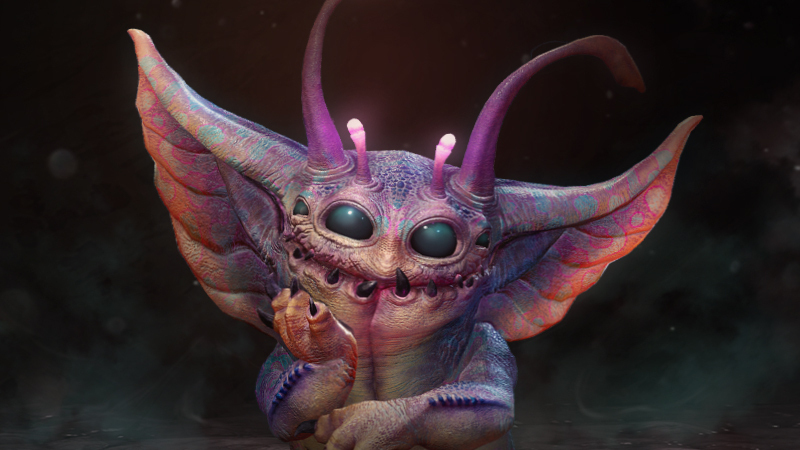
Orcinus Paleorca - the Killer-Whale Bioluminescent Buddies!
SirGlobbyLot posted a suggestion in Creature submission archive
ORCINUS PALEORCA Dossier: “Orcinus Paleorca might appear closely related to the other dolphins and whales of the Ark’s oceans, but it’s certainly not as friendly. Orcinus is a fearsome pack hunter, often forming pods of up to eight individuals, in order to hunt the largest prey in the deep, dark ocean of The Center. These Orcas are agile, powerful hunters that easily hunt Megalodon, tearing off Prime Fish as easily as I could pick a flower. Their teeth seem perfectly adapted to carving their prey, and their thick skin makes them immune to all bio-electricity! Taming Orcinus is difficult, as they cannot be knocked out when surrounded by fellow Orcinus. One must be lured away or trapped, and the pod must be lured away – difficult due to their loyalty to one another! If tamed, they can be fed bio-toxin to activate their bioluminescent capabilities, turning Orcinus into an underwater flashlight! A tamed pod is a force to be reckoned with, and never stray too far from each other. They are highly intelligent, and I’ve seen them care for baby sea creatures with an aggression not yet matched by any other animal on the Ark!” Image at the bottom! Art by @gregsavvidesart - give him a websearch! -------------- Orcinius Paleorca – the bioluminescent bunch of buddies! This creature is designed to be the Allosaurus of the sea – fun on its own, but downright terrifying in a pod. Orca are top predators in our oceans (Screw you yachts!) and can always be found in a pod, preying on sharks, whales, and anything and everything else. The Orcinus will be your go-to sea tame; powerful and fast, with a focus on solo scouting and defensive capabilities to ensure Megalodon aren’t a threat, along with jellies and those blasted eels. Orcinus is fun on its own, but grab some tribemates and hop on other Orcinus, and you’ll see the benefits! The leader gets a buff which boosts other Orcinus attack rating by 10%, and increases their swim speed by a flat 15%! This applies to both ridden and unridden Orcinus, and you can easily command your fellow Orcinus to attack a target while you stay back. The ocean is a scary place on Ark, and you never know what’s lurking round the next rock stack. Thankfully, the Orcinus Paleorca have evolved to sense the largest creatures in the ocean, so prepare to be pinged like the Parasaur radar whenever they sense the fiery charge of an Alpha creature! They can toggle on a flashlight mode when loaded with bio-toxin, creating a large area of light akin to the mining helmet but more powerful! No more dark, lonely dives!! Wild Orcinus are relatively peaceful creatures when it comes to Survivors; they’re smart enough to know harpoons hurt! Whilst they wont necessarily attack swimmers out at sea, any act of aggression will bring the pod down on you, and good luck surviving that assault! Tamed Orcinus are particularly loyal to not only their rider, but to their young. They see any tamed baby sea creature as their own, and they can be set to “patrol” the area around a specific baby; this will make them enter aggression mode, and they’ll seek out anything that’s a threat within range and tear it to pieces before they even aggro your baby. They’ll then return to the baby and keep watch while you do you. The Orcinus’ eye patches lights up in the dark ocean, to act as a natural light down in the deep! Whilst this isn’t necessarily accurate, the Ark has strange ways of changing a creature! This would be infinitely useful when down in the ocean at night, as the pitch-black waters will be a little less scary with a helpful nightlight…or eight!! The deep ocean will no longer be a scary, lonely, dark place with these guys around, so long as you have plenty of bio-toxin!! -
ANOMALOCARIS-The Aquatic Healer and Terror Shrimp!!!
santaclaus470 posted a suggestion in Creature submission archive
---------------------------------------------------------------------------- INTRODUCING----ANOMALOCARIS Anomalocaris are native to the waters of The Center, and can be found amongst shallow areas, as they are constantly on the prowl for trilobites. These 'odd shrimp' are semi-aggressive but inquisitive , as they often swim up to survivors out of curiosity. -------------------------------------------- LVL 1 STATS: HEALTH:300 STAMINA:250 WEIGHT:200 DAMAGE:25 TORPOR:575 -------------------------------------- -Anomalocaris also serve as an aquatic healer! When fed silica pearls they can heal themselves, but when fed black pearls, can also heal nearby allies similar to the land dwelling Daeodon. -Anomalocaris can also manuever in any direction similar to the Tapejara. -To tame, simply swim up and feed black pearls aka a passive tame. ---------------------------------------------- ARK NEEDS MORE SEA LIFE!!! dossier by: santaclaus470 -
𝙰𝙽𝙾𝙼𝙰𝙻𝙾𝙲𝙰𝚁𝙸𝚂 𝚁𝚄𝚃𝙷 𝙱𝙰𝚁𝙱𝙰𝚁𝙸𝚂 _____________________________________________________________________________________ Nome: Anomalocaris Ruth barbaris Tempo: Cambriano Dieta : Carnívoro Temperamento: Neutro Este colosso dos oceanos cambrianos irá impressioná-lo com seu exoesqueleto rosa e excelente visão! Conheça o Anomalocaris Barbaris, uma subespécie do próprio Anomalocaris, embora seja bem maior que seu já extinto irmão, o Anomalocaris Barbaris permite uma grande fazenda de pérolas sílicas e pérolas negras. Suas placas afiadas são fortes o suficiente para perfurar a pele de quem o ataca, sem nenhum esforço, assim como as centopéias das cavernas. A principal função dos anomalocaris é unir as jangadas entre si, sua estranha carapaça consegue juntar barcos, formando um verdadeiro navio, além do corpo esguio dos Anomalocaris Barbaris eles fazem as jangadas navegarem com mais velocidade. _________________________________________ Amansagem de machos: em algumas praias ou rios, os machos anomalocaris aparecem como pequenos brincalhões, a amansagem é feita como antigamente, usando sedativos e alimentando-os com carne de peixe. Domando a fêmea: para domar a fêmea, primeiro você precisará de um macho domesticado, com ele já domesticado você o ajudará a atrair a atenção das fêmeas, as fêmeas são muito exigentes, então você terá que decorar seu macho anomalocaris tendo itens diferentes em sua mini sela não montável, como pérolas, sílex, metal e pedras preciosas, se a fêmea não gostar da dança do macho ela o matará, se ela gostar da domesticação encorajada e você terá que alimentá-la regularmente com toxina da água-viva ou quitina , mas não se esqueça que o macho selvagem da doméstica chama atenção da água-viva!! depois de domesticado, o pequeno macho se transformou um parasita da fêmea, assim como hoje com o Devil Fish, então eles terão um bônus de peso aumentado em 10% A principal função do macho é chamar a atenção da água-viva quando ele se apega à fêmea! Criando um exército de águas-vivas com seus hormônios, e fique tranquilo, quando ele se apega à fêmea, as águas-vivas se tornam inofensivas para a tribo ou para o dono do macho anomalocsris, pois contra outros sobreviventes eles os destruíram. Obs: eles não fugiram da fêmea, pois estão sendo manipulados pelo macho. ================================== Reprodução: todas as suas fêmeas Anomalocaris terão um macho, então para reproduziri-las você terá que dar sangue a ambos, depois que eles consumirem a reprodução transmitida, depois que a fêmea for fertilizada, o macho morrerá e fêmea se alimentará dela corpo, a fecundação é interna, e ela dá à luz bebês inteiros, então ela vai ter que cuidar da gravidez, deixando sempre 2 bebês ou mais, quase sempre tendo mais chances de nascer homem. _____________________________________________________________________________________ notas: quando as fêmeas carregam as jangadas, podem continuar a usar uma sela; ■ as fêmeas têm uma sela e podem ser montadas; ■ se você tiver 4 fêmeas anomalocaris elas terão muito mais força, velocidade e carga de peso; ■ a sela não montável do macho anomalocaris lhe dá proteção; ■ o macho anonalocaris só ganhará dano se a fêmea que ele hospeda morrer; ■ O macho está sempre preso à cauda da fêmea; ■ depois de se tornar um parasita, o macho nunca mais deixará a fêmea; ■ os dois têm dietas diferentes, então certifique-se de sempre colocar alimentos diferentes no inventário da fêmea. os anonalocaris fêmeas apresentam 4 variações principais, algumas mais raras que outras. quanto mais raros, melhores serão seus atributos! considerações finais: resumindo o Anomalocaris Ruth barbaris é um criador de naves e criador de exércitos venenosos, se você gostou dele, não esqueça de votar!😃 (desculpe qualquer erro de inglês, não falo muito bem, além disso, não adicionei um botão para as habilidades deles.. porque jogo no celular e não sei como funciona no PC, mas eles têm um ataque de mordida e cauda!) Obrigado🇧🇷❤❤
-
*I've recently update the dossier and concept art for my creature suggestion (the Livyatan) because when I first posted I used the Livyatan concept art made by Garuga123, the creatuor of the amazing ARK: Additions mod. I had forgotten that it counts as copyright and have deleted it and made my own art for the Livyatan (which I actually enjoyed more because now I could design it to look however I wanted). I apologize to Garuga and video production assistant/ youtuber UpfromtheDepths who made me aware of this issue. Livyatan Concept Art made by me Info: Species: Livyatan melvillei Time: Miocene Diet: Carnivore Temperament: Aggressive Tamable: Yes Rideable: Yes Breedable: Unknown Taming Method: Passive Preferred Food: Moby sausage Delight Dossier Concept made by me Wild: Livyatan is a giant relative of the sperm whale. It rarely spawns in very deep waters on The Center map. It’s extremely aggressive and will attack survivors and their tames on sight. Livyatan will also attack other oceanic creatures, most notably Ammonites and Tusoteuthis. Livyatan is also not affected by Tusoteuthis ink or jellyfish stings and wild creatures will not attack it after it kills an ammonite. They have several attacks including a basic bite, a head ram, a tail flick, and a breech. Taming: Livyatan can be tamed but not via tranquilizers. In fact, its blubber is so thick that it’s immune to torpor. Livyatan can be tamed via a new item called Moby sausage Delight (temporary name) which you can craft at level 90. This item is unique because it’s so large that when you place it (in the water because it will be destroyed out of water), it's bigger than the player. Livyatans love this treat and will eat it and while they eat their taming percentage will go up. Once the whale hits 100% it will be tamed and the cake will be destroyed. But while Livyatan eats it will attract animals to come and try to attack it, this is due to the large amount of ammonite bile in the cake. Survivors must protect it while it is eating or the taming will reset. Moby sausage Delight Recipe Livyatan Taming Process Concept (created by me) Once Tamed: Livyatan can be settled at level 98. It has several attacks and abilities. Similar to its wild state, Livyatan isn’t affected by ammonite ink, tuso ink, jellyfish stings or eel electricity. It’s also worth noting that Livyatan will need to go up to the surface every once in a while to breathe after it’s been tamed. The attacks are the following: Bite: Activated by pressing Left Click. This is a basic attack that deals high damage. When harvesting corpses, Livyatan can gather a large amount of raw meat, raw prime meat, raw fish meat, and raw prime fish meat. Bite Attack concept Head Ram: Activated by pressing Right Click. This attack deals medium damage and high torpor to almost anything it hits. Head Ram Attack Concept Tail Flick: Activated by pressing C. This attack deals low damage and high knockback. Tail Flick Attack Concept Breech: Activated by pressing X. Allows your Livyatan to thrust forward out of water and grab a creature whether it be above the water, on top of the water or under the water on your way up. Breech Ability Concept Echolocation: Activated by Pressing Ctrl. Sends out a soundwave that lets the survivor know where nearby creatures are even in the darkest of waters. This ability is similar to Desmodus. This ability may also help you find hidden caves and supply crates. Echolocation Ability Concept
-
Scientific name; Anomalocaris Age; Cambrian Food habits; meat Temperament; Females are aggressive, males are timid Wild; Anomalocaris is an ancient predator, older than any other creature on the island, and meeting it is truly an incredible thing. Moreover, the number of Anomalocaris is not small, and they can always be seen capturing Trilobita on the seabed. It seems that in order to resist other incredibly large predators, Anomalocaris has evolved a special armor plate. This armor plate is soft in most cases, but immediately becomes extremely hard when attacked. The faster and stronger the attack, the harder the armor plate becomes, and almost no creatures can destroy it. Anomalocaris of different genders have significant differences in body size, with females much larger than males (around 12 meters in females and 2 meters in males), which also leads to two habits of both genders. Females prefer to live alone and are more aggressive, while males prefer to live in groups and are more timid in monogamy. After mating, the two Anomalocaris will live together. Tame; Anomalocaris can be tamed, but the toxin is not effective on them. Due to their low intelligence and fast speed, Anomalocaris can be induced to hit hard objects such as walls, shields, etc. It won't take long for Anomalocaris to faint, and male shrimp can use female hormones to attract and feed them after taming the female shrimp. Anomalocaris is not very large in size, but its strength is among the best among similar creatures. However, it is still much inferior to those giant sea monsters. They are mainly used to explore the ocean, and their strong defense and speed make it difficult for many predators to use it. At the same time, the toxins used by Anomalocaris to numb prey can also be used as higher-level anesthetics. Behavior; Females have strong aggression and will actively attack small and medium-sized creatures that are close by, prioritizing attacks on small and low health creatures. They also have hatred towards female strange shrimp and will flee if their health value is less than half. Males move in groups, usually 3 to 5, only daring to attack small fish and Trilobita, and being beaten to escape. It is possible to find that one female and one male are active together, and the female's aggression will decrease. The male will do his best to help the female. You can only have one partner at the same time. Skills; (Female) Single claw strike; The damage is average, the attack speed is fast, and the range is small. Double Claw Claw Strike; The damage is 65% of the regular attack multiplied by 2, with a slower attack speed and a larger range. Sprint and hit hard; Accumulate power. The longer the time is, the higher the damage will be. At most, it will cause 6 times the damage of general attack. It will also cause dizziness to small and medium-sized creatures. Launch an attack to force them to sprint forward for a short distance. If they hit the terrain, shields, and buildings larger than wood, they will become dizzy. Grab; Grab small creatures. Gnaw and bite; Bite and grab creatures, ignore armor, and give Anomalocaris toxin effects. Anomalocaris toxin; Land creatures accelerate oxygen consumption, lose blood directly in the water, and continue to rise slowly until they faint. You can use an antidote to relieve it. Running to the shore will end the effect in 90 seconds. Anomalocaris A tablets; The higher the damage received, the faster the attack speed, the higher the defense, and the complete immunity to electric shocks. Trilobita Killer; Can deal triple damage to Trilobita and obtain a large amount of pearls (Male) Belonging to the shoulder pet, it can provide a 50% speed bonus for players and their riding pets in the water. The same effect as the strange shrimp armor plate reduces oxygen consumption and provides a stronger underwater perspective. It can convert pearls into black pearls at a ratio of 10 to 1, and can be taken to land. After 1 minute, males will consume 5% water, and without water, they will gradually lose health. Manner of domestication; When a female rushes towards you, holding a shield or inducing it to hit a wall larger than wood can stun it and feed it to tame. After taming a female, if it has a partner, it will be automatically tamed. Single female backpacks can produce "Anomalocaris Hormone" and players can use it to attract males for 5 minutes. At this time, they can directly feed the tame. After taming a female, the hormone of that female will become ineffective unless they return to singleness. Saddle tool; Ordinary saddle unlocks at level 33; Crafted by a blacksmith platform, capable of riding 1 person Materials; 200 animal skins, 210 fibers Items; Anomalocaris meat; Eating rapidly increases dizziness, loses a little blood, and kills 5 organisms without anti toxicity within 1 minute. Anomalocaris toxin; Slow production in the backpack, feeding jellyfish poison can accelerate production, making it into a strange shrimp poison arrow and giving Anomalocaris toxin buff.
-
Livyatan es un género extinto de cachalote macroraptorial que contiene una especie conocida: L. melvillei. El nombre del género se inspiró en el monstruo marino bíblico Leviatán, y el nombre de la especie en Herman Melville, el autor de la famosa novela Moby-salchicha sobre un cachalote toro blanco. Se conoce principalmente de la Formación Pisco de Perú durante la etapa tortoniana de la época del Mioceno, hace aproximadamente 9,9–8,9 millones de años (mya); sin embargo, los hallazgos de dientes aislados de otros lugares como Chile, Argentina, Estados Unidos (California), Sudáfrica y Australia implican que él o un pariente cercano sobrevivió hasta el Plioceno, alrededor de 5 millones de años, y puede haber tenido una presencia global.Era miembro de un grupo de cachalotes macroraptoriales (o "cachalotes rapaces") y probablemente era un depredador ápice, que se alimentaba de ballenas, focas, etc. 🐳🐋 LIVYATAN Nombre común: Liviatan Especie: L. melvillei Tiempo: Mioceno Dieta: Carnívoro Temperamento : Temperamental, pero agresivo con los supervivientes armados y los depredadores. ________________________________________________________________________________________________ -SALVAJE🌊 Las historias de los pescadores que viven en estas aguas, cuentan entre muchas cosas, la existencia de monstruos marinos con el ponderio y magnificencia del monstruo de Melville; Livyatan melvillei es una bestia de las profundidades, adaptada de una manera magistral para sobrevivir en áreas tan hostiles; Mangos como cachalotes y calamares gigantes de nuestro tiempo, estos leviatanes encarnan violentas batallas contra los Tusoteuthis, calamares gigantes de tamaños similares a los del mítico Kraken. Como la gran mayoría de los mamíferos marinos, tiene una gruesa capa de grasa que lo protege del daño y las temperaturas extremas, aunque esto lo hace vulnerable a los ataques que lo pueden desangrar. Al ser un odontoceto (ballena con dientes) tiene un gran órgano en su cabeza llamado melón que con la ayuda de otro órgano llamado espermaceti, se especializa en la ecolocalización, que a su vez le ayuda a localizar y aturdir a las presas y depredadores con fuertes sonidos capaces de reventar los tímpanos Se dice que algunos de los ejemplares más grandes que liviatan, gracias a la forma y al gran tamaño de su cráneo, utilizan su enorme cabeza para embestir como un ariete, destruyendo todo lo que se atreve a ponerse en su camino. - SALVAJE🌊 Las historias de los pescadores que hacen vida en estas aguas, relatan entre muchas cosas, la existencia de monstruos marinos con el ponderio y magnificencia del monstruo de Melville; Livyatan melvillei es una bestia propia de las profundidades, adaptada de una forma magistral a la supervivencia en zonas tan hostiles; asa como los cachalotes y calamares gigantes de nuestros tiempos, estos verdaderos leviatanes encarnan violentas batallas contra los Tusoteuthis, gigantes calamares de tallas similares a las del mitico Kraken. Como la gran mayoria de mamiferos marinos, posee una gruesa capa de grasa que lo protege de danios y temperaturas extremas aunque esto lo vulnera a ataques que lo puden desangrar. Siendo un odontoceto (ballena con dientes) cuenta llamado con un gran órgano en su cabeza melon que con la ayuda de otro órgano llamado espermaceti, especializado en la ecolocalizacion, lo que a su vez le ayuda a localizar y aturdir a presas y depredadores con fuertes sonidos capaces de reventar los timpanos. Se habla de que algunos de los ejemplares mas grandes de liviatan, gracias a la forma y la gran talla de su craneo, usan su enorme cabeza para embestir cual ariete, destrozando todo lo que ose atravesarse en su camino. ________________________________________________________________________________________________ -DOMESTICADO🐕🦺 Entre la gran cantidad de historias que he recopilado no hay nadie que deje constancia de algún Liviatan adulto dispuesto a entrenar por algún sobreviviente, aunque es bien sabido que se une para siempre con un bebé y su madre, esto, ganándose la confianza de ambos. . Me he dado cuenta de que estos animales, al igual que sus parientes modernos, tienen algún tipo de "memoria genética", por lo que se vuelven extremadamente agresivos con los sobrevivientes armados y los depredadores domésticos o no. Solo aquellos supervivientes con nervios de acero y una ambición similar a la de Mr. Nerva, han conseguido utilizar estas poderosas bestias con fines bélicos, dotándolas de diferentes revestimientos metálicos para potenciar sus ataques, consiguiendo romper los materiales más duros, o sus ondas sonoras. ; convirtiéndolos en la marina de guerra por excelencia. -DOMESTICADO🐕🦺 Entre la gran cantidad de relatos que he compilado no hay alguno que deje registro de algun Liviatan adulto dispuesto a amaestrarse por algun superviviente, aunque, es bien sabido que se pueden formar vinculos de por vida con una cria y su madre, esto, ganandose la confianza de ambas. He notado que estos animales, al igual que sus primos modernos, tienen alguna especie de "memoria genetica", tornandose asi sumamente agresivos ante supervivientes armados, depredadores. Solamente aquellos supervivientes con nervios de acero y una ambicion similar a la del señor Nerva, han logrado usar a estas poderosas bestias con fines belicos, equipandoles con distintos revestimientos de metal para potenciar sus embestidas logrando romper el mas duro de los materiales, o sus ondas sónicas; haciendolos la montura de guerra marina por excelencia. ________________________________________________________________________________________________ notas adicionales Se puede ver a Livyatan saltando fuera del agua debido a su poderosa cola haciendo un espectáculo. Livyatan es inmune a cnidaria, tusoteuthis y electrophorus, además de resistir el daño de cualquier proyectil (balas, arpones, flechas, etc.)🦑🌊🐙 DOSSIER INGLÉS Y ESPAÑOL Ilustrado por Godscar (Oscar Tolosa) y escrito por Hector Blanco -DOSSIER ESPAÑOL
-
Wild Styxosaurus can be found across the oceans of The Center, typically near shallow waters. It usually hunts fish yet may prey on smaller animals that wander too close to the water. Taming In order to tame the styxosaurus, the survivor must mount the styxo like an equus. The survivor must then feed it biotoxin to put it into a narcoleptic state until it's unconscious. Then the player will have to feed it fish meat in order for it to tame. Domesticated Once tamed, the styxo will be one of the fastest underwater creatures in the game, being able to travel very long distances thanks to its vast amount of stamina. The styxo's primary attack is a simple bite. The styxo's secondary attack is a grab, which is able to pick up smaller prey such as fish, cnidaria, electrophorus and ichthys. It is even able to grab players, including off dinos and rafts. If the styxo gets close to shore, it's able to use this attack to grab players off beaches. The styxo's third attack is a dash that will increase the styxo's speed and allow it to latch onto larger creatures and perform one of two abilities. The first one is a bleed, which makes it especially useful at taking down alphas. The second ability is a narcotic inducing poison that rapidly decreases a creature's torpor. Each will last for 30 seconds. The styxo's final ability is being able to passively heal allied creatures, both marine and land. In addition, the styxo is immune to cnidaria and eel attacks and performs a hooting noise when danger is present. Feel free to leave any other suggestions in the replies.
-
giant seal Hadrokirus, ARK’S STEAMPOWERED MEGA SEAL
Compystuff posted a suggestion in Creature submission archive
Species: Hadrokirus Hydrostus Time: Late Miocene Diet: Carnivore/Piscivore Temperament: Relaxed/Predatory Any art or dossiers are welcomed. Hadrokirus should be a mid to late game tame. I think I’d be cool for it to spawn in a variety of locations. The Center is a watery map that has a lot of beach and artic places, feels like it just fits a seal. WILD Hearing barking or bellowing out on the glaciers or beaches of The Center is not uncommon, you’re around a pod of Hadrokirus. These giant seals rule the beaches and the coasts of the arctic. They can be seen in pods of 1 male and 4 females with babies scattered about. They are lumbering, a sight to behold with the males being the largest of the pod. They spend their time on land lounging, sleeping, and playing, even picking the player up before dropping them. But Hadrokirus must eat a lot to sustain their body fat. So, when entering the water, Hadrokirus becomes a super predator, attacking and eating anything within there, including humans. When encountering a pod of hunting Hadrokirus, one will go to the surface and let out a bellow that can be heard for miles, aggroing all Hadrokirus in the pod. They’ll rip you apart and pick you up (not playfully) and drown you. If the prey puts up more of a fight, the Hadrokirus will use its STEAM BREATH that melts flesh and boils whatever it’s attacking. TAMING Hadrokirus are docile on land but aggressive in water. One might think to feed it on land, but Hadrokirus isn’t hungry when on land and way too aggressive to hand feed in water. Tranqs don’t work as its blubber is too tough, however, you can use its playful and predatory behavior against it. Putting tamed Kairuku on passive flee will excite Hadrokirus as they love the chase and taste of Kairuku. Chasing, attacking and eating the Kairuku will slowly fill its taming, so you’ll need a lot of penguins. The longer the Kairuku lasts, the more taming you’ll get, so high heath Kairuku are essential. THE STEAM MACHINE Hadrokirus utilizes steam in its hunting and intimidation. Once tamed, the STEAM BREATH is a devastating weapon while also offering utility. Steam uses water, Hadrokirus must drink water to fill its bar, or you can manually give it water through water skins, jars, and canteens. The steam does a lot of damage, burning everything in front of it, and the steam can even damage the rider (if the saddle protects the player like the Andrewsarchus or Magmasaur, you’ll be fine). The steam will linger for 8 seconds and will do even more damage underwater, this takes a lot of water and stamina. STEAM ENGINE SADDLE Hadrokirus has a special saddle that acts as a fabricator but is much more expensive. Those willing to spend will be granted with a fully working steam engine that can convert water into power. Having the Hadrokirus saddle on and near electronics will power them like a generator. The water drains much slower than a generator and has much greater range. It even protects the player from the cold but not the heat. CORPSE DEBUFF When a Hadrokirus dies its body take days to weeks to decompose, and far away carnivores will sense it and make their way towards it. This might make a Hadrokirus corpse look like a hazard, but when a carnivore feeds, due to the fat, blubber, and nutrient rich meat, the carnivore will become full and turn neutral. This is Hadrokirus’ satisfaction debuff. To Rex, to Spino, to Allo, to Raptor, almost every wild carnivore will become neutral and not attack you (you can use this to trap\tame carnivores easier). If a human consumes the meat, they will gain increased health regen, weight, and fortitude. UTILITY AND COMBAT Hadrokirus are experts in digesting fish and Kairuku. Able to consume meat, bones, and skin while deposing of unwanted waste, like black pearls and blueprints. Kairuku = a small amount of black pearls. Fish = a chance of getting blueprints. Hadrokirus have decent carry weight and water speed, but horrible land speed. They are tough with thick blubber to resist bullets and bites, immune to any ice attack, and cannot be frozen. Their blubber gives insulation to everything in the area. Hadrokirus gain an excitement buff from killing penguins. The buff increases its organic polymer penguin harvesting, land speed, damage, and stamina by 30% while increasing the STEAM BREATH damage by 10%. Buff lasts for 2 minutes. ABILITIES · First button’s a basic bite that does good damage and does great damage to Kairuku. Holding the button down will pick up the target with a drag weight of 125 and lower (the titans have weirdly low drag weights so just ignore stuff like that). · Second button’s STEAM BREATH with high damage that hits through mounts and lingers, dealing more damage underwater. Any creature that takes no or reduced damage from fire takes no damage from this. · Third button’s a loud bellow that stuns small creatures and humans for 5 seconds. Larger creatures get their attack speed cut in half. It’s even louder and travels farther in the water. It’s on a 5-minute cool down but in between, Hadrokirus does an emote seal clap, *arf arf’s* and all. · Jump button’s a belly flop, dealing huge damage and knock back. VOTE FOR THE MEGA SEAL The sight of a pod of giant seals swimming across your starter base would be amazing, especially with the baby seals around. Here are some extra ideas I had but I’m unsure about and please give suggestions. · Being around the STEAM saddle will boost the speed of mechanical saddle users like Magmasaur, Andrewsarchus, Roll rat, and maybe Tek saddles. · The saddle can STEAM and boil food like an industrial cooker. -
Species: Hippocampus Sarmaticus/Leviathan Time: Middle Miocene Diet: Carnivore Temperament: Aggressive Here’s another attempt. I think The Center is a perfect map for this tame. The vast ocean, the underworld, all the air bubbles. I feel Ark's oceans need a bit of love. What better way than with a new mount. Seahorses are pretty cool looking as well as sea dragons, and who wouldn't want to ride around on one. A saddled mount of course They're like master ninjas, so this mount could have some sort of camo ability, maybe when they're within underwater vegetation. They could function similar to an underwater purlovia, and their first strike from being hidden could cause massive burst damage. Kinda like sneak damage. Because of this sneakyness, make all wild creatures non aggressive to it unless provoked. This includes the jellies. In fact, let's make this creature immune to jellies shock to have another mount to fight against them. Maybe even have cnidaria actively run away from them like the piranha does to the sarco. These could be the best biotoxin gatherers. (A sea slug pic, but the patterns and appendages look cool, and I invision this ark creature taking visual cues from it) Seahorses also are very tanky with their bone like ridges down their body. Instead of their body and tails being cylindrical, they're more square, thus able to take more damage and even be compressed and be able to bounce back unharmed. This means the ark creature could make for a very tanky mount with possibly even recoil damage. Add a good saddle for even more tanking. Seahorses also have great mobility, so it can control similar to an underwater Tapejara. This is a very interesting video below about Seahorses. Utility is a big thing the ocean needs too. With the males pouch, it could function as an underwater maewing, able to nurse or improve imprints. Maybe a player can use its pouch to be transported underwater and give oxygen. Again, immunity to jelly stings. They have these cool prehensile tails too. They can use this to latch onto different things underwater to stay put, and enter a sort of turret mode. We can use these prehensile tails to grab small to some medium sized creatures, which has a multitude of uses, but also make it able to pick players underwater from their mounts. To balance this, make it ridden only or something. These tails could have another purpose too. There aren't any underwater shoulder pets. Until they're grown, while they're still a baby/adolescent, they can use the tail to become a shoulder mount. Adding stun immunity or reduction, or adding armor and recoil damage to the player while assisting in battle with their attack/breath. The balance to this would be that it's temporary, until the baby reaches a certain size, then it auto dismounts. Killing cnidaria could make it grow faster, or feeding it biotoxin. It would speed up raising. You could ignore this mechanic to keep it smaller for longer to keep the shoulder benefits, because it's raise time could be long without using it. With all these positives, maybe give the creature lower stamina, or make it opposite of the bear. Super fast burst speed that eventually slows down. Same with dps. Stupid high burst speed dps, that slows a lot over time. The way I imagine it looking is some kind of Seahorse/Seadragon hybrid with some draconian features. This is ark afterall, and some dinos aren't 100% real world accurate, so we can spice this up a bit. https://www.google.com/search?q=sea+dragon&tbm=isch&ved=2ahUKEwj_ttH9nMj8AhWTFmIAHQ8kBcAQ2-cCegQIABAC&oq=sea+dragon&gs_lcp=ChJtb2JpbGUtZ3dzLXdpei1pbWcQAzIECCMQJzIKCAAQgAQQsQMQDTIECAAQQzIECAAQQzIECAAQQzoFCAAQgAQ6BAgAEAM6CAgAEIAEELEDOgsIABCABBCxAxCDAToHCAAQsQMQQ1CBCFjmJGC-KWgAcAB4AIABe4gBgAuSAQM2LjiYAQCgAQHAAQE&sclient=mobile-gws-wiz-img&ei=WzzDY7-dA5OtiLMPj8iUgAw&bih=647&biw=412&client=ms-android-americamovil-us-revc#imgrc=t00DU5k3vLyQlM&imgdii=w_wkJPB5AToXmM Another cool option would be some kind of underwater breath attack. Bubbles that stun or slow so they can assassinate prey, or superheated water jet, but I'd like for them to have some sort of poison breath. It would go with the assassin theme. This poison would accumulate in its inventory similar to acatina, maybe increasing production for a time with cnidaria kills stacking. We could coat our weapons or even dino claws with the poison to give special debuffs and inreased damage per hit for a time. This would benefit high attack speed dinos a lot like the raptor, giving more use for its faster attack buff from its alpha call. I hope you all like and upvote.
-
The Cnidaria Killer The Seahorse/Seadragon
Abaddon23 posted a suggestion in Creature submission archive
i find a nice submission from the Fjördur vote from PuutyCuuty and will post it her again Species: Hippocampus Sarmaticus/Leviathan Time: Middle Miocene Diet: Carnivore Temperament: Aggressive I feel Ark's oceans need a bit of love. What better way than with a new mount. Seahorses are pretty cool looking as well as sea dragons, and who wouldn't want to ride around on one. A saddled mount of course They're like master ninjas, so this mount could have some sort of camo ability, maybe when they're within underwater vegetation. They could function similar to an underwater purlovia, and their first strike from being hidden could cause massive burst damage. Kinda like sneak damage. Because of this sneakyness, make all wild creatures non aggressive to it unless provoked. This includes the jellies. In fact, let's make this creature immune to jellies shock to have another mount to fight against them. Maybe even have cnidaria actively run away from them like the piranha does to the sarco. These could be the best biotoxin gatherers. (A sea slug pic, but the patterns and appendages look cool, and I invision this ark creature taking visual cues from it) Seahorses also are very tanky with their bone like ridges down their body. Instead of their body and tails being cylindrical, they're more square, thus able to take more damage and even be compressed and be able to bounce back unharmed. This means the ark creature could make for a very tanky mount with possibly even recoil damage. Add a good saddle for even more tanking. Seahorses also have great mobility, so it can control similar to an underwater Tapejara. This is a very interesting video below about Seahorses. Utility is a big thing the ocean needs too. With the males pouch, it could function as an underwater maewing, able to nurse or improve imprints. Maybe a player can use its pouch to be transported underwater and give oxygen. Again, immunity to jelly stings. They have these cool prehensile tails too. They can use this to latch onto different things underwater to stay put, and enter a sort of turret mode. We can use these prehensile tails to grab small to some medium sized creatures, which has a multitude of uses, but also make it able to pick players underwater from their mounts. To balance this, make it ridden only or something. These tails could have another purpose too. There aren't any underwater shoulder pets. Until they're grown, while they're still a baby/adolescent, they can use the tail to become a shoulder mount. Adding stun immunity or reduction, or adding armor and recoil damage to the player while assisting in battle with their attack/breath. The balance to this would be that it's temporary, until the baby reaches a certain size, then it auto dismounts. Killing cnidaria could make it grow faster, or feeding it biotoxin. It would speed up raising. You could ignore this mechanic to keep it smaller for longer to keep the shoulder benefits, because it's raise time could be long without using it. With all these positives, maybe give the creature lower stamina, or make it opposite of the bear. Super fast burst speed that eventually slows down. Same with dps. Stupid high burst speed dps, that slows a lot over time. The way I imagine it looking is some kind of Seahorse/Seadragon hybrid with some draconian features. This is ark afterall, and some dinos aren't 100% real world accurate, so we can spice this up a bit. Another cool option would be some kind of underwater breath attack. Bubbles that stun or slow so they can assassinate prey, or superheated water jet, but I'd like for them to have some sort of poison breath. It would go with the assassin theme. This poison would accumulate in its inventory similar to acatina, maybe increasing production for a time with cnidaria kills stacking. We could coat our weapons or even dino claws with the poison to give special debuffs and inreased damage per hit for a time. This would benefit high attack speed dinos a lot like the raptor, giving more use for its faster attack buff from its alpha call. -
Tullimonstrum gregarium, the Creature from God’s Rough Drafts
Zonaroh posted a suggestion in Creature submission archive
Basic Info - Group; Unknown (Google it nobody knows) Diet; Carnivore Temperament; Curious Tameable; No Ridable; No Design Inspirations Below; Dossier - Wild; No creature on the arks quite describes the word Monster like Tullimonstrum gregarium. From its mouth to its eyes, I don’t even know how to describe this thing! What I do know is that it lives in the shallow ocean waters near the Ark’s Swamps, and that it hunts small fish, small creatures that swim too far out from land, and most surprisingly Cnidaria. Unsurprisingly, this creature often becomes food for the local Crocidilians and Megalodons, which causes it to swim in large schools like fish. Domesticated; Sadly, Tullimonstrum gergarium is too stupid to even try and tame. Although inherently friendly, their short-term memory causes them to quickly forget about forged bonds and causes it to wander around again. However, it has been known to be curious around Survivors, and a tribe I recently stayed with showed me how they would encourage these Tully Monsters to follow them around on their Megalodons, picking apart any Cnidaria that get too close and leaving behind some of the valuable Biotoxin, consuming the rest. Behavior - Tully Monsters can often be found swimming aimlessly in large schools in the shallower waters of the Ark’s usually near the openings to Rivers or Swamps. They will hunt down fish, Cnidaria, and Electrophus, as well as tiny land creatures out for a swim, but will naturally follow Survivors around out of curiosity unless attacked, at which point they will swim away and avoid any Survivors they encounter for a short period. Drops - Raw Fish Meat, Hide, Biotoxin (Rare, small volume. Taming - The Tully Monster cannot be tamed, however it can be befriended. It would introduce to the game 2 new effects, one good one bad. You get the good effect by feeding a Tully Monster Biotoxin, which will cause 6 other members of the School (the 6 strongest) to follow you until the effect runs out. They will attack anything you attack and they will match your speed and the speed of your mounts. The bad effect is given by attacking a Tully Monster, and will cause Tully’s to avoid you for the duration. This will override the effects of the good buff if you attack a Tully monster following you under the Good buff. Utility - Mainly good for clearing out Cnidaria/Electrophorus and offering some extra escort protection during ocean raids and general ocean travel. Abilities; Primary Attack; Bite. The Monster will bite the target for small to medium damage. Secondary Attack; None Passive; Pack Bonus. They get stronger for each Tully Monster around them. Roles - Escort. They will follow and defend you when fed Biotoxin. Raider. Will defend you during Aquatic raids and combat, giving you an edge. Cnidaria/Electrophorus Pest Control. Will attack any Cnidaria/Electrophorus for you, immune to their stun effect. Great for caving! Supplemental Images and Links below!👇 https://en.m.wikipedia.org/wiki/Tullimonstrum https://isgs.illinois.edu/outreach/geology-resources/illinois-state-fossil-tullimonstrum-gregarium https://story.illinoisstatemuseum.org/content/all-our-own-tully-monster -
Paleophis!- THE VENOMOUS SEA SERPENT
santaclaus470 posted a suggestion in Creature submission archive
https://drive.google.com/file/d/1XkqTGDH9vVR7zLkyqGfaqbdJv8U--aPj/view?usp=sharing PALEOPHIS DOSSIER LINK^^^^^^^^^^^^^^^^^^^^^^^^ original dossier by santaclaus470(me) HP:500 DMG:32 DPS:40 STAM:300 WEIGHT:250 -
LION FISH, THE LITTLE BIG DANGER OF THE OCEANS Wild: Lion fish are extremely aggressive, they attack absolutely everything that approaches their nests, they are totally immune to any type of camouflage used by players and creatures. They usually stay on top of their nests, taking care of their eggs. If chasing a target that tries to flee to dry land or take flight, Lionfish will continue to target the target as long as it is within range of their pressurized jets of water. Because they are extremely aggressive, their taming is not possible, but there are other ways to obtain one. Domesticated: There are a total of 3 variations of Lion Fish, each with its own skill and particularity, and once a player owns one and puts on a saddle, it becomes an extremely useful mount due to its speed and unique abilities. The Lionfish has a large amount of stamina, allowing for long journeys and many attacks on the targets of its tamers. Lionfish Species: DENDROCHIRUS BRACHYPTERUS Its main ability is attacks with pressurized jets of extremely hot water, which causes players to burn status, in addition to giving resistance to temperature changes for anyone in their saddle. The thorns on its body have the same effect, if any creature bites a Dendrochirus Brachypterus, it will receive, in addition to damage, the burn status. If the target has active burn status and is hit again, there is a 5% chance to double the damage dealt by the burn status. If they are on the surface, it can shoot jets of hot water at targets that are flying or on land, with a long range. It has a weight reduction and metal collection bonus underwater. PTEROIS VOLITANS Its main ability is to launch jets of water with a strong poisoning effect, in addition to its thorns also having the same effect. If any animal dares to bite a Pterois Volitans, in addition to damage, it will suffer from the effect of automatic poisoning. There is a 5% chance that a poisonous attack, when hitting a player, will cause some kind of disease. Like the other Lion Fish, it manages to use its jet of poisonous water on flying and terrestrial targets. It has a weight reduction and black pearl collection underwater bonus. PTEROIS MILES Its main ability is to launch jets of extremely cold water, causing the effect of freezing its target. The thorns on its body grant it the same ability, if any creature bites or injures a Pterois Miles, in addition to damage, it will receive the freezing status. There is a 5% chance that the target will be completely immobile for 8 seconds when hit by the freezing jet. Like the other Lionfish, it manages to shoot its freezing jet at targets. land and flying. If a flying creature is hit and given the 8 second freeze status, it falls and sinks into the ocean. It has a weight saving and biotoxin collection bonus, angler gel and underwater absorbent substrate. Taming: Lionfish cannot be tamed, but their eggs can be stolen from their nests by players who have the courage to do so. There is a possibility of finding up to 10 eggs in a single nest. The problem is that the eggs are not fertilized, which is why the process is more complicated. After stealing the eggs, the player must use a fishing rod to capture a male Lionfish to fertilize the eggs he has. Each species of Lionfish is attracted to a different bait, and they are quite resistant when fishing. DENDROCHIRUS BRACHYPTERUS – Shadow Steak Saute PTEROIS VOLITANS – Battle Tartare PTEROIS MILES - Re-Fertilize To catch a Lionfish, in addition to the bait and the fishing rod, the player must have a fish trap in their inventory, which will be automatically consumed after the fish is caught. With the eggs collected from the nest, and the male fish captured, the player must find a place with water to lay the eggs, and release the male fish along with the eggs. The male will then approach the eggs and fertilize them, then defend them until they hatch. A time counter appears over the male's head, indicating how much time is left for the eggs to hatch. Ideally, the player should not get too close, as the male will attack if he senses his presence. Each male can fertilize 1 egg for every 15 levels he has, that is, 1 male level 15 can only fertilize 1 egg, while a 150 male can fertilize 10. Any more eggs that the male cannot fertilize, he will devour. When the young are born, they attack the male, who does not react and is devoured by them. After that, the player must approach and take possession of the puppies, but be careful, because until reaching the juvenile level, (10%), the puppies are aggressive and will attack the player, (something like the reaper). It is important to emphasize that if a player takes possession of a Lionfish cub, the other cubs that are in the same place can identify it as a target, and attack, causing its death. Care must be taken at this point to prevent this from happening. After 10% growth, the fish calm down and calmly accept the approach of players. The process is the same for domesticated Lionfish, females will lay eggs and only when males are alone with the eggs will they fertilize and protect them. Only the process of killing the male Lionfish will not be necessary, although it counts as the first feeding of the young, which will attack everything that touches the water until they reach 10% of growth. Note: If a Lionfish is caught and released in an environment that does not have eggs to fertilize, it will try to jump out of the water and die, thus avoiding the use of wild animals to harass other players. The capture of wild males is only for their breeding process. Utility: War Mount – In addition to strong special attacks and very good speed, Lionfish allow the player to use weapons when mounted. Its attacks have a wide range and can hit mobile flying and land targets, as well as aquatic ones, making this fish an elite soldier. Base defense - Bases on ocean platforms can be extremely well guarded by some Lionfish, protecting not only from water attacks, but also land and flying attacks. An electronic collar should be put on and let the Lion Fish be aggressive, for greater efficiency in defense. Travel Mount – With a great natural stamina, Lionfish are excellent for underwater exploration, facilitating long distances and escapes if necessary. Resource Collector – Each different species of Lionfish has a weight reduction and a bonus to gathering some resource that is found at the bottom of the ocean, making them excellent collectors of rare materials. Hunting Mount – Due to its firepower and great speed, it is excellent for underwater hunting, managing to subdue creatures much larger than itself with certain ease.aging to subdue creatures much larger than itself with certain ease..
-
Habilidades pasivas: Hembra: La hembra es capaz de producir una leche súper nutritiva capaz de satisfacer el hambre de criaturas exigentes como el wyvern o la roca Drake, esta consumirá mucha carne pero será un gran facilitador de cría. Macho: Nos dará una protección similar a la de su primo el basilosaurio, protegiéndonos de ataques fríos, eléctricos y paralizantes. Movilidad: Es un gran nadador siendo capaz de moverse en cualquier dirección en tierra es capaz de saltar entre paredes para subir a lugares altos, saltando entre superficies. Radar: Este Radar no solo nos ayudará a tener una visión mejorada y ver incluso enemigos detrás de las estructuras, también nos permitirá ver máquinas como generadores eléctricos, torretas, etc. Habilidades de ataque Sonic Shot: Este Gran Disparo servirá no solo como una excelente manera de infligir daño, sino que también es capaz de aturdir a las criaturas al cerrar momentáneamente sus habilidades de movimiento, sirviendo para contrarrestar el vuelo o huir de la batalla. Mordida: Su mordida principal no solo causa una muy buena cantidad de daño sino que también le permite sanar en un área radial, cuanto más daño inflige también es capaz de curar parcialmente a sus aliados e incluso a su jinete en caso de que se dañe. Jump Grab: Al saltar desde una pared o desde el suelo y morderlo puede agarrar criaturas pequeñas o desmontar, criaturas de su tamaño e incluso un poco más grandes, puede arrastrarlas gastando su energía, pero pudiendo arrastrarlas a un punto de interés como agua o torretas. Se sabe que incluso puede ahogar criaturas con esta técnica. Trineo: Esta criatura puede tener un bote unido a su montura, esto no solo mejora la velocidad y agilidad de los barcos en el agua, sino que también es capaz de sacarlos al agua, teniendo una estructura móvil en tierra que puede incluir torretas de ataque. Doma: Aunque sorprendentemente no ataca a los supervivientes como otros grandes carnívoros, sí atacará a nuestras criaturas domesticadas por lo que es importante que esta domesticación se haga a pie. Lo primero que necesitaremos es darle alimento que, dependiendo de su calidad, aumentará el nivel de cariño que tiene la criatura al llegar al máximo podemos llevarla a cazar, en este modo la criatura comenzará a desplazarse a lugares aleatorios buscando presas que podamos cazar marcando a la criatura con la que queremos casarnos, Comenzaremos un minijuego en el que tendremos que matar a la criatura que nos seleccionará en caso de que cometamos un error y matemos a otra criatura, la domesticada bajará y bajará su efectividad en caso de matar a esta criatura que tiene que ser a mano con cualquier tipo de arma humana, El domesticado subirá el tamaño de la criatura así como su nivel afectará la velocidad de domesticar, ya con el amor y el respeto de la criatura al máximo será domesticado.